
No. 4: Create sustainable play areas
No. 4: Create sustainable play areas
Number 4
This article discusses the environmental and financial benefits of creating sustainable play areas in schools. These play areas reduce waste, promote a connection to nature, reduce carbon emissions, and save schools money on maintenance and utility bills. Schools can also receive grant funding for sustainability initiatives.
Creating sustainable play areas in schools not only benefits the environment but can also lead to financial savings for the school. With the increasing awareness of the need for sustainability, schools have a unique opportunity to promote environmental stewardship and educate students about the importance of eco-friendly practices. In this article, we will explore the environmental and financial benefits of creating sustainable play areas in schools.
One of the primary environmental benefits of sustainable play areas is the reduction of waste. Traditional playgrounds often consist of plastic or metal equipment that is difficult to recycle and can end up in landfills. Sustainable play areas, on the other hand, use eco-friendly materials such as wood, recycled plastic, or natural materials like stones and logs. These materials are not only biodegradable, but they also promote a connection to nature and encourage children to appreciate the natural world around them.
Additionally, sustainable play areas can help to reduce carbon emissions. Traditional play areas often require large amounts of energy to maintain, including watering the grass and powering electronic equipment. Sustainable play areas, on the other hand, can use natural materials and features like rain gardens and green roofs to reduce the amount of energy needed to maintain them. This can lead to significant reductions in carbon emissions, which is beneficial for the environment.
In addition to the environmental benefits, sustainable play areas can also lead to financial savings for schools. Sustainable playground equipment, while sometimes more expensive upfront, can often save money in the long run. For example, eco-friendly play equipment like swings and slides made from recycled plastic can last longer and require less maintenance than traditional metal or plastic equipment. Additionally, sustainable play areas can reduce water and energy consumption, resulting in lower utility bills for the school.
Another financial benefit of sustainable play areas is the potential for grant funding. Many organizations offer grants for schools that are committed to sustainability, including the U.S. Environmental Protection Agency’s Green School Grant program. By creating a sustainable play area, schools may be able to qualify for these grants and receive additional funding for sustainability initiatives.
In conclusion, creating sustainable play areas in schools is a win-win for both the environment and the school’s budget. Sustainable play areas can reduce waste, promote a connection to nature, and reduce carbon emissions, all while saving the school money on maintenance and utility bills. With the added potential for grant funding, schools have a unique opportunity to promote sustainability and educate students about the importance of eco-friendly practices.
Sources:
- “Green Schoolyards: Creating Outdoor Learning Environments for Healthier Students, Thriving Schools, and Resilient Communities” by Sharon Danks
- “Creating Sustainable Playgrounds” by the National Wildlife Federation
- “Benefits of Green Schoolyards” by The Trust for Public Land


All 100 ideas in one, easy to share ebook. Download now and start helping your school be its best version of itself...
Downloaded over 17,000 times!
More ways to make a difference, now!
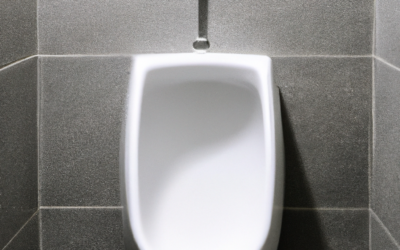
No. 29: Use waterless urinals
Number 27 Waterless urinals in schools can have significant environmental and financial benefits, reducing water usage and associated costs while also lowering carbon emissions from water treatment facilities. Additionally, these urinals can improve indoor air quality...

No. 27: Use automatic window openers to cool and ventilate buildings
Number 27Automatic window openers help to reduce energy costs and improve indoor air quality in schools by providing natural ventilation. This reduces the need for air conditioning systems, lowering energy usage and costs. Additionally, it reduces the environmental...

No. 25: Use shading devices like blinds or awnings to reduce solar heat gain
Number 25Using shading devices like blinds or awnings can reduce solar heat gain in schools, resulting in lower energy costs and reduced carbon emissions. It also provides a more comfortable learning environment for students and staff.Learn why you should do this:...
