
No. 26: Install bike racks at school
No. 26: Install bike racks at school
Number 26
Installing bike racks in schools can benefit the environment, promote physical activity, and save money. Students who bike to school have improved physical fitness and academic performance, while schools can save money on transportation costs and reduce carbon emissions.
As the world continues to move towards a more sustainable future, schools have a unique opportunity to promote eco-friendly practices by installing bike racks on campus. Not only do bike racks reduce the carbon footprint of students and staff who bike to school, but they also provide educational and financial benefits to the school. In this article, we will explore the environmental, educational, and financial benefits of installing bike racks on school grounds.
Firstly, bike racks have a significant environmental impact. By encouraging students and staff to bike to school instead of driving, bike racks can reduce the carbon footprint of the school. According to the EPA, the transportation sector is responsible for about 28% of greenhouse gas emissions in the US, making it the largest contributor to greenhouse gases. By providing a safe and secure place to store bikes, schools can help to reduce these emissions and promote a more sustainable future.
In addition to the environmental benefits, bike racks also have educational benefits. Schools can use bike racks to teach students about the benefits of cycling, including its positive impact on health and the environment. Schools can also use bike racks as an opportunity to teach students about bike safety and the rules of the road. By promoting cycling and bike safety, schools can help to create a culture of sustainability and safety among students.
Finally, bike racks can provide financial benefits to schools. By encouraging students and staff to bike to school, schools can reduce the number of cars on campus, which can lead to savings on parking lot maintenance and construction. Additionally, schools can save money on fuel and transportation costs for school-sponsored events by providing bike racks for students to use.
According to the National Center for Safe Routes to School, schools with bike racks and other bike facilities see a significant increase in the number of students who bike to school. In one study, schools with bike racks saw an increase in biking rates from 2.2% to 9.2%, which is a 318% increase. This increase in bike commuting can lead to a reduction in traffic congestion and air pollution, which can have positive effects on the surrounding community.
In conclusion, installing bike racks on school grounds has significant environmental, educational, and financial benefits. By reducing the carbon footprint of students and staff, promoting cycling education, and reducing transportation costs, schools can create a more sustainable and financially responsible campus. Additionally, by providing a safe and secure place to store bikes, schools can help to increase the number of students who bike to school, which can have a positive impact on the surrounding community.
Sources:
-
Federal Highway Administration. (2012). Benefits of Bicycle Parking and Locking. https://www.fhwa.dot.gov/environment/bicycle_pedestrian/guidance/bikepark_brochure/page02.cfm
-
National Association of City Transportation Officials. (2018). Urban Bikeway Design Guide (Second Edition). Island Press.
-
San Francisco Unified School District. (n.d.). Green Schoolyard Program. https://www.sfusd.edu/school/glen-park-elementary-school/green-schoolyard-program
-
National Renewable Energy Laboratory. (2012). Bicycling Infrastructure and Public Safety. https://www.nrel.gov/docs/fy12osti/54567.pdf
-
Centers for Disease Control and Prevention. (2020). Benefits of Physical Activity. https://www.cdc.gov/physicalactivity/basics/pa-health/index.htm
-
League of American Bicyclists. (2017). The Benefits of Bicycling. https://bikeleague.org/content/benefits-bicycling


All 100 ideas in one, easy to share ebook. Download now and start helping your school be its best version of itself...
Downloaded over 17,000 times!
More ways to make a difference, now!
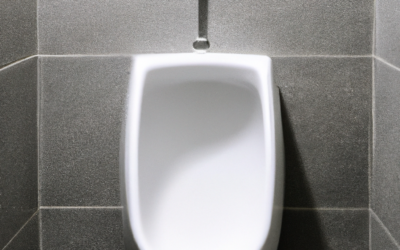
No. 29: Use waterless urinals
Number 27 Waterless urinals in schools can have significant environmental and financial benefits, reducing water usage and associated costs while also lowering carbon emissions from water treatment facilities. Additionally, these urinals can improve indoor air quality...

No. 27: Use automatic window openers to cool and ventilate buildings
Number 27Automatic window openers help to reduce energy costs and improve indoor air quality in schools by providing natural ventilation. This reduces the need for air conditioning systems, lowering energy usage and costs. Additionally, it reduces the environmental...

No. 25: Use shading devices like blinds or awnings to reduce solar heat gain
Number 25Using shading devices like blinds or awnings can reduce solar heat gain in schools, resulting in lower energy costs and reduced carbon emissions. It also provides a more comfortable learning environment for students and staff.Learn why you should do this:...
