
No. 60: Use eco-friendly paints and coatings
No. 60: Use eco-friendly paints and coatings
Number 60
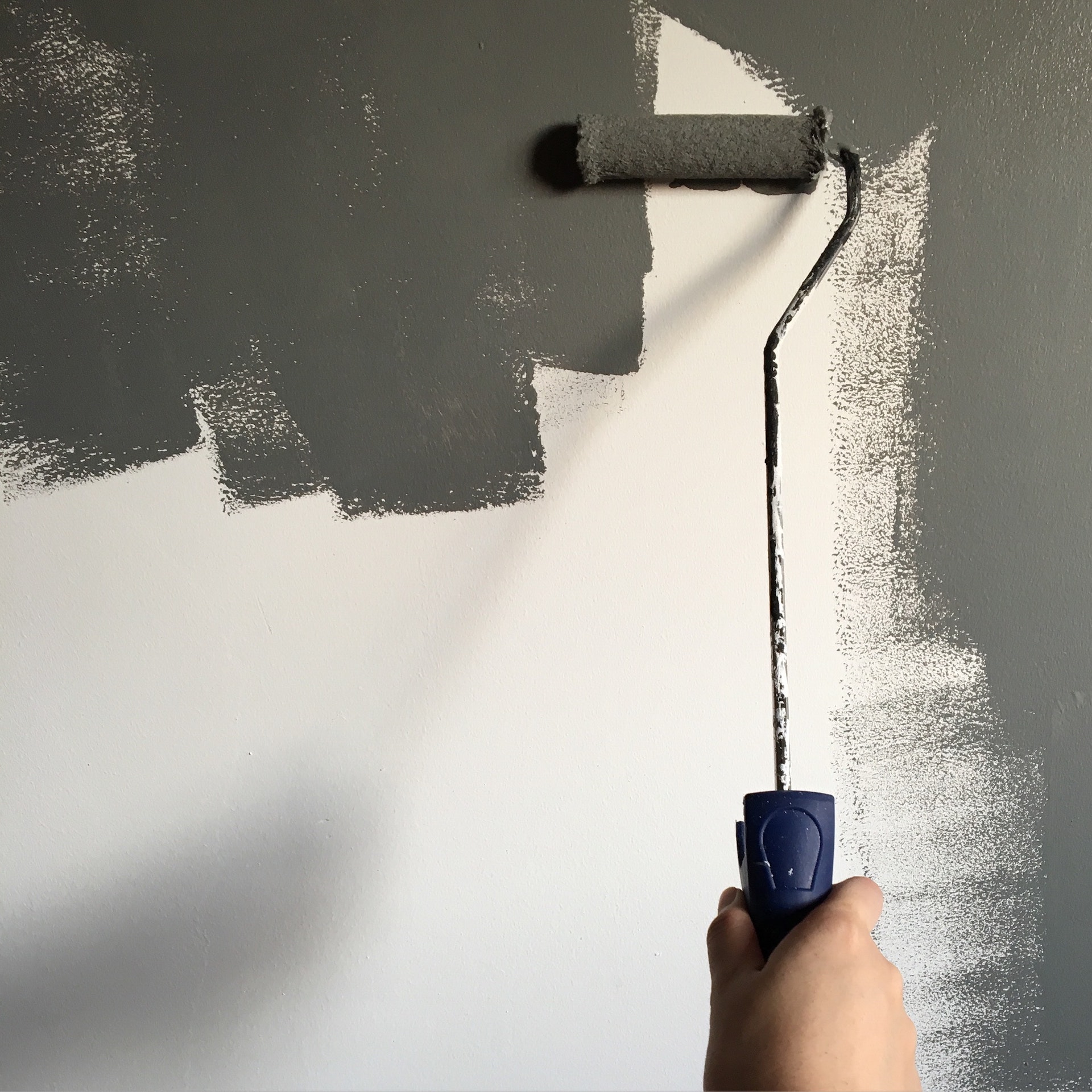
This article discusses the environmental and financial benefits of using eco-friendly paints and coatings in schools. By using non-toxic and low VOC options, schools can reduce their environmental impact and create healthier learning environments. Additionally, eco-friendly coatings often have a longer lifespan and can lead to cost savings over time.
In recent years, there has been growing awareness about the impact of traditional paints and coatings on the environment and human health. Eco-friendly paints and coatings are a sustainable alternative to these traditional products, offering numerous benefits to schools, both financially and environmentally. In this article, we will explore the advantages of using eco-friendly paints and coatings in your school and provide data from experts in the field.
Firstly, eco-friendly paints and coatings have a much lower impact on the environment than traditional products. They are made using natural, renewable materials, and contain little to no harmful volatile organic compounds (VOCs). These compounds are released into the air as paint dries and can cause a range of health issues, from eye and throat irritation to more serious conditions like asthma and cancer. According to a study by the World Health Organization (WHO), VOCs can have both short-term and long-term health effects, making eco-friendly options a safer choice for schools.
Moreover, eco-friendly paints and coatings can also help schools save money in the long run. While they may have a slightly higher upfront cost than traditional products, they require less maintenance over time and have a longer lifespan. This means that schools can save money on repainting or recoating their buildings or furniture. According to a study by the Green Building Alliance, using eco-friendly paints and coatings can lead to significant cost savings over the life cycle of a building.
In addition to their environmental and financial benefits, eco-friendly paints and coatings also offer a range of aesthetic options. They come in a wide variety of colors and finishes, allowing schools to choose the perfect look for their buildings or furniture. Some eco-friendly products are even made from recycled materials, making them an even more sustainable choice.
When choosing eco-friendly paints and coatings, it is important to look for products that are certified by reputable organizations, such as the Green Seal or the Environmental Protection Agency’s (EPA) Safer Choice program. These certifications ensure that the products meet strict environmental and safety standards.
In conclusion, investing in eco-friendly paints and coatings can bring significant benefits to schools, both financially and environmentally. These products are made using natural, renewable materials, contain little to no harmful VOCs, and offer a wide range of aesthetic options. They can also help schools save money over time and reduce their impact on the environment. By choosing certified eco-friendly products, schools can ensure that they are making a safe and sustainable choice for their buildings and furniture.
Sources:
- World Health Organization. “Volatile Organic Compounds (VOCs) in Indoor Air and Their Sources.” 2003.
- Green Building Alliance. “Healthy School Environments: Eco-Friendly Paints and Coatings.” 2011.
- U.S. Environmental Protection Agency. “Safer Choice.”

All 100 ideas in one, easy to share ebook. Download now and start helping your school be its best version of itself...
Downloaded over 17,000 times!
More ways to make a difference, now!
No. 29: Use waterless urinals
Number 27 Waterless urinals in schools can have significant environmental and financial benefits, reducing water usage and associated costs while also lowering carbon emissions from water treatment facilities. Additionally, these urinals can improve indoor air quality...

No. 27: Use automatic window openers to cool and ventilate buildings
Number 27Automatic window openers help to reduce energy costs and improve indoor air quality in schools by providing natural ventilation. This reduces the need for air conditioning systems, lowering energy usage and costs. Additionally, it reduces the environmental...

No. 25: Use shading devices like blinds or awnings to reduce solar heat gain
Number 25Using shading devices like blinds or awnings can reduce solar heat gain in schools, resulting in lower energy costs and reduced carbon emissions. It also provides a more comfortable learning environment for students and staff.Learn why you should do this:...
