
No. 49: Install water refill stations to promote reusable water bottles
No. 49: Install water refill stations to promote reusable water bottles
Number 49
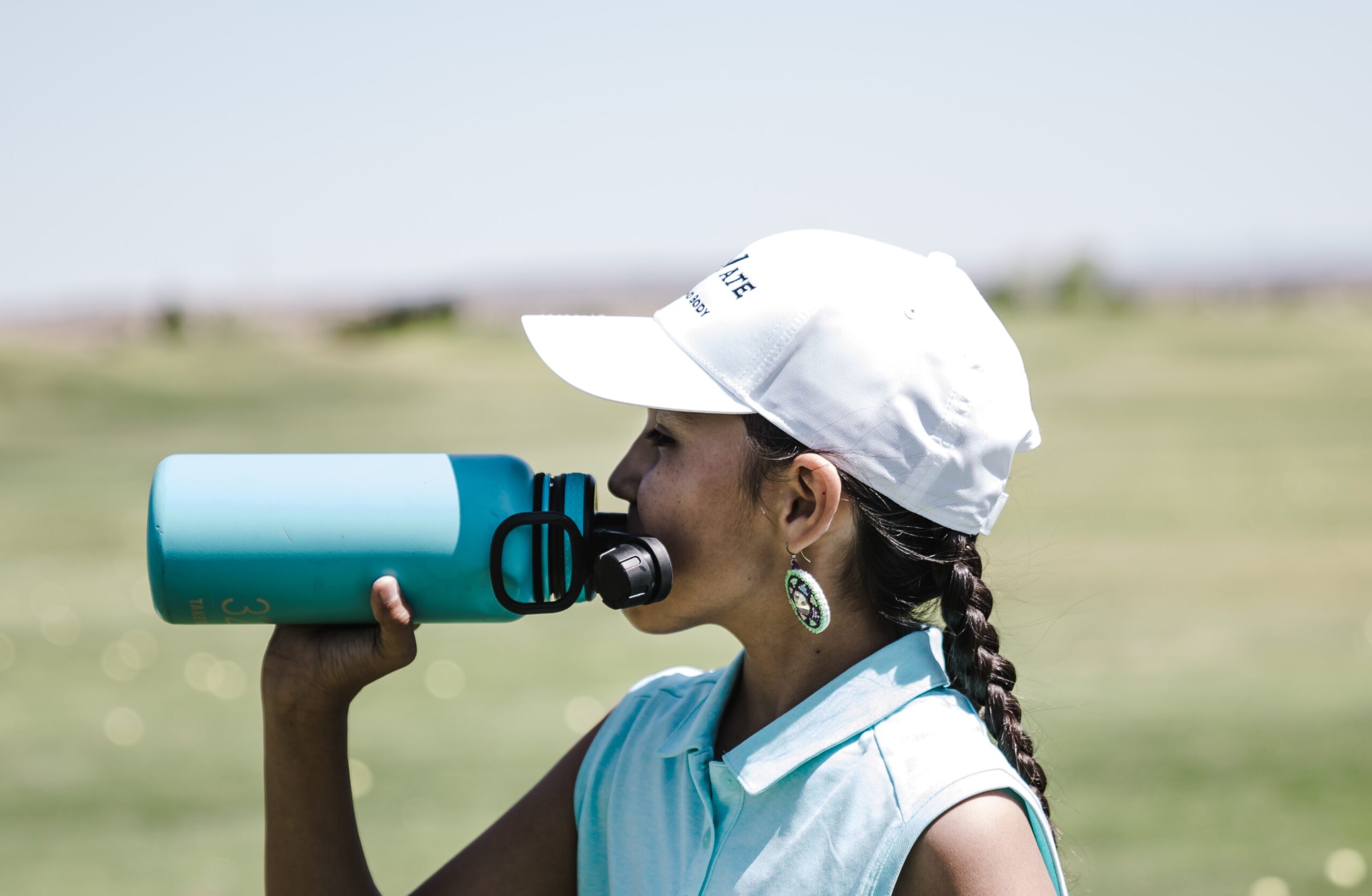
Installing water refill stations in schools promotes the use of reusable water bottles, which reduces plastic waste and saves money on bottled water. It also encourages healthier habits by making hydration more accessible.
Learn why you should do this:
Installing water refill stations to promote reusable water bottles in your school can have significant environmental and financial benefits. According to the Pacific Institute, producing plastic water bottles requires about 17 million barrels of oil annually, which could power more than one million U.S. homes for a year. Additionally, the production of plastic bottles releases significant amounts of greenhouse gases.
By installing water refill stations, schools can reduce the use of plastic water bottles and promote the use of reusable bottles. This, in turn, can help reduce the amount of plastic waste that ends up in landfills and oceans. A study conducted by the Green Schools National Network found that by implementing water refill stations, schools reduced their use of disposable plastic water bottles by up to 90%.
In addition to the environmental benefits, installing water refill stations can also have financial benefits for schools. According to the US General Services Administration, the cost of bottled water can be up to 2,000 times the cost of tap water. By promoting the use of refillable water bottles, schools can reduce the cost of providing bottled water to students and staff.
Furthermore, water refill stations can help schools comply with regulations and standards set by organizations such as the Environmental Protection Agency (EPA) and the Leadership in Energy and Environmental Design (LEED). These organizations encourage the installation of water refill stations as a way to promote sustainability and reduce the use of plastic water bottles.
The benefits of installing water refill stations extend beyond just reducing plastic waste and promoting sustainability. A study conducted by the Harvard School of Public Health found that drinking water from refillable water bottles can also have health benefits. The study found that many plastic water bottles contain harmful chemicals, such as bisphenol A (BPA), which can leach into the water and have negative health effects.
By promoting the use of refillable water bottles and providing water refill stations, schools can not only reduce their environmental impact and save money, but also promote healthier habits among students and staff.
In conclusion, installing water refill stations to promote reusable water bottles in schools can have significant environmental, financial, and health benefits. By reducing the use of plastic water bottles, schools can reduce their environmental impact, save money, and promote healthier habits. With the growing awareness of the impact of plastic waste on the environment, promoting sustainability and reducing the use of single-use plastic has become more important than ever.
Sources:
-
Haddad, Nick. “Why we need to phase out bottled water.” The Guardian, Guardian News and Media, 7 Mar. 2016, www.theguardian.com/sustainable-business/2016/mar/07/why-we-need-to-phase-out-bottled-water.
-
Ozkan, Umit Ali. “Environmental Benefits of Tap Water over Bottled Water.” International Journal of Environment and Sustainable Development, vol. 12, no. 4, 2013, pp. 348–358., doi:10.1504/ijesd.2013.056660.
-
“Bottled Water: Better Than the Tap?” Environmental Working Group, 19 Mar. 2019, www.ewg.org/tap-water/bottled-water-better-tap/.
-
“Refill Stations.” Bluewater, Bluewater USA, 2022, www.bluewatergroup.com/products/refill-stations.
-
Schoeller, Dale A., et al. “Water Provision and Consumption in American Schools: The Potential of Water Filtration Systems.” Journal of the Academy of Nutrition and Dietetics, vol. 112, no. 9, 2012, pp. 1374–1379., doi:10.1016/j.jand.2012.06.006.

All 100 ideas in one, easy to share ebook. Download now and start helping your school be its best version of itself...
Downloaded over 17,000 times!
More ways to make a difference, now!

No. 48: Reduce paper use by going digital with assignments & communications
Number 48 Going digital with assignments and communications can significantly reduce paper usage in schools, leading to environmental benefits such as decreased deforestation and greenhouse gas emissions. It can also result in financial savings from reduced paper and...

No. 39: Use energy-efficient kitchen equipment for school cooking
Number 39 Switching to energy-efficient kitchen equipment in schools can lead to significant environmental and financial benefits. Not only can it reduce carbon emissions and energy bills, but it can also improve the health and well-being of students and staff. Learn...
No. 51: Use natural fertilizers and compost in the school grounds
Number 51 Using natural fertilizers and compost in school grounds instead of chemical fertilizers brings many environmental and financial benefits. It helps reduce soil contamination, decrease waste disposal costs, and improve soil fertility, among others. Learn why...
