
No. 44: Use water-efficient cleaning methods, such as microfiber mops and cloths
No. 44: Use water-efficient cleaning methods, such as microfiber mops and cloths
Number 44
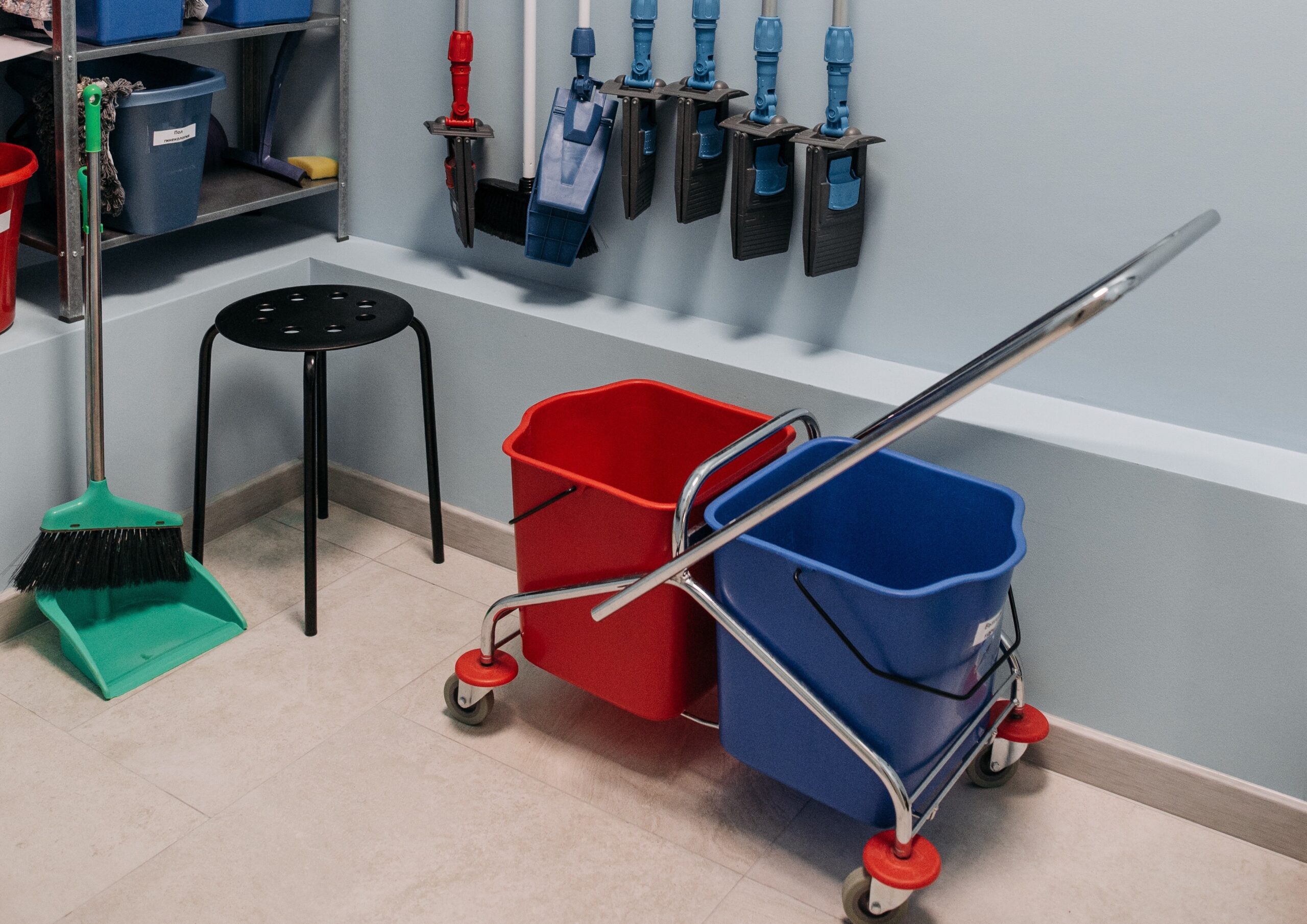
Using water-efficient cleaning methods such as microfiber mops and cloths in schools can have both environmental and financial benefits. These methods can significantly reduce water usage and costs, as well as improve indoor air quality by reducing the use of harsh chemicals.
Learn why you should do this:
Schools can significantly reduce their environmental impact by implementing water-efficient cleaning methods. Traditional cleaning methods such as using a mop and bucket can waste water and chemicals, leading to increased water and energy bills and environmental harm. Using microfiber mops and cloths, however, can reduce water usage by up to 90% and chemical usage by up to 95% compared to traditional methods. This can lead to substantial savings in water and energy bills for schools and promote environmental sustainability.
Microfiber cleaning materials are designed to be more effective at cleaning surfaces than traditional materials such as cotton, reducing the amount of water needed to clean a surface. Additionally, the fibers in microfiber cloths and mops are able to penetrate microscopic crevices and remove dirt and bacteria more effectively than traditional cleaning materials. This can lead to a reduction in the use of harsh chemicals, as the cleaning process is more efficient.
According to a report by the United States Environmental Protection Agency (EPA), water-efficient cleaning methods, such as the use of microfiber materials, can help reduce water usage in buildings by up to 30%. This reduction in water usage can lead to substantial savings in water bills for schools, allowing them to allocate resources towards other areas of need. Additionally, the reduced use of harsh chemicals can lead to a reduction in health risks associated with traditional cleaning methods.
The benefits of using water-efficient cleaning methods extend beyond financial savings and health benefits. The reduction in water and chemical usage can also help to minimize the environmental impact of cleaning activities. Traditional cleaning methods can contribute to pollution of waterways, soil, and air through the release of chemicals and contaminated water. The use of water-efficient cleaning methods can help reduce this pollution, promoting a cleaner and healthier environment for all.
In addition to microfiber mops and cloths, other water-efficient cleaning methods include using high-pressure washers and low-flow toilets and faucets. By implementing these methods in schools, not only can the schools reduce their environmental impact, but they can also help educate students on the importance of sustainability and the role they can play in protecting the environment.
Overall, the implementation of water-efficient cleaning methods, such as microfiber mops and cloths, can provide significant environmental and financial benefits for schools. By reducing water and chemical usage, schools can save on water and energy bills, minimize the environmental impact of cleaning activities, and promote a healthier environment for students and staff alike.
Sources:
- EPA. (n.d.). Water-efficient products. Retrieved from https://www.epa.gov/watersense/water-efficient-products
- Katsigris, E., & Thomas, C. (2011). Greening the cleaning. The Construction Specifier, 64(7), 64-70.
- National Wildlife Federation. (2012). Making the grade: The environmental report card on school campuses. Retrieved from https://www.nwf.org/-/media/PDFs/Eco-Schools/Report-Card-on-School-Campuses.ashx
- U.S. Green Building Council. (2016). LEED v4.1 for existing buildings: Operations and maintenance. Retrieved from https://www.usgbc.org/resources/leed-v41-existing-buildings-operations-and-maintenance

All 100 ideas in one, easy to share ebook. Download now and start helping your school be its best version of itself...
Downloaded over 17,000 times!
More ways to make a difference, now!
No. 29: Use waterless urinals
Number 27 Waterless urinals in schools can have significant environmental and financial benefits, reducing water usage and associated costs while also lowering carbon emissions from water treatment facilities. Additionally, these urinals can improve indoor air quality...

No. 27: Use automatic window openers to cool and ventilate buildings
Number 27Automatic window openers help to reduce energy costs and improve indoor air quality in schools by providing natural ventilation. This reduces the need for air conditioning systems, lowering energy usage and costs. Additionally, it reduces the environmental...

No. 25: Use shading devices like blinds or awnings to reduce solar heat gain
Number 25Using shading devices like blinds or awnings can reduce solar heat gain in schools, resulting in lower energy costs and reduced carbon emissions. It also provides a more comfortable learning environment for students and staff.Learn why you should do this:...
