
No. 72: Change your lawnmowers (and other maintenance equipment)
No. 72: Change your lawnmowers (and other maintenance equipment)
Number 72
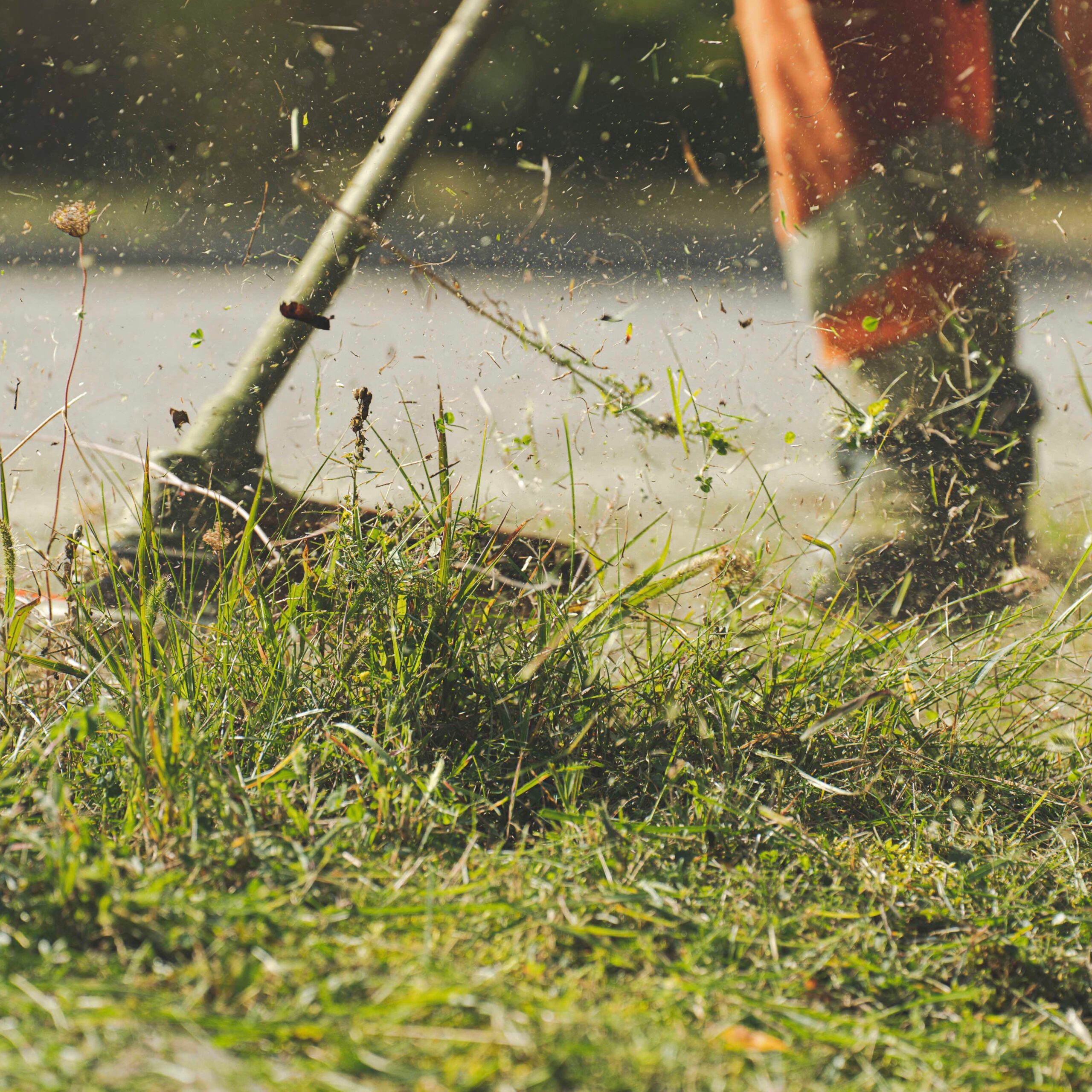
Using eco-friendly lawn mowers and maintenance equipment can provide environmental benefits by reducing pollution and financial benefits by lowering maintenance costs. Switching to battery-powered or manual equipment can also have positive impacts.
Learn why you should do this:
Maintaining a well-manicured lawn is a source of pride for many schools. However, the equipment used for lawn maintenance can have negative impacts on the environment and contribute to air pollution. Switching to more eco-friendly maintenance equipment can provide significant environmental and financial benefits.
One of the main environmental benefits of switching to eco-friendly maintenance equipment is a reduction in air pollution. Traditional gas-powered equipment emits harmful pollutants such as carbon monoxide, nitrogen oxides, and volatile organic compounds (VOCs) which can contribute to smog and poor air quality. In contrast, electric or battery-powered equipment produces zero emissions during operation, making them a cleaner and more sustainable option.
According to the Environmental Protection Agency (EPA), a gas-powered lawnmower emits as much pollution as 11 cars driving for one hour. By switching to electric or battery-powered equipment, schools can help reduce their carbon footprint and improve air quality in their communities.
In addition to environmental benefits, switching to eco-friendly maintenance equipment can also provide financial benefits. Electric and battery-powered equipment is generally less expensive to operate than gas-powered equipment, as it eliminates the need to purchase and store gasoline. It is also typically less expensive to maintain, as it requires less frequent oil changes and tune-ups.
Furthermore, electric and battery-powered equipment is generally quieter than gas-powered equipment, which can be particularly beneficial for schools located in residential areas. This can help minimize noise pollution and improve the overall quality of life for nearby residents.
Another important factor to consider when switching to eco-friendly maintenance equipment is the potential for increased safety. Traditional gas-powered equipment can be dangerous, particularly when it comes to handling gasoline and other flammable liquids. Electric and battery-powered equipment eliminates the risk of accidental spills or fires, making it a safer option for schools.
Overall, there are many benefits to switching to eco-friendly maintenance equipment in schools. In addition to reducing air pollution and improving air quality, electric and battery-powered equipment can also provide financial benefits and increase safety.
Schools that are interested in making the switch to eco-friendly maintenance equipment should consult with experts in the field to determine the best options for their needs. Additionally, there are many resources available for schools looking to implement sustainable practices, such as the Green Schools Alliance, which provides guidance and support for schools seeking to improve their sustainability practices.
By making the switch to eco-friendly maintenance equipment, schools can help protect the environment, save money, and create a safer and healthier environment for their students and communities.
Sources:
-
EPA. (2020). GreenScapes: Sustainable Landscaping. Environmental Protection Agency. https://www.epa.gov/greenscapes
-
Johnson, D. L. (2010). An Overview of Alternative Lawn Maintenance Practices and Their Impacts on Water Quality. University of Maryland Extension. https://extension.umd.edu/sites/extension.umd.edu/files/_docs/programs/nmpap/Publications/An%20Overview%20of%20Alternative%20Lawn%20Maintenance%20Practices%20and%20Their%20Impacts%20on%20Water%20Quality.pdf
-
US Department of Energy. (n.d.). Energy Saver Guide: Tips on Landscaping. https://www.energy.gov/energysaver/save-electricity-and-fuel/landscaping
-
Florida-Friendly Landscaping Program. (n.d.). Florida-Friendly Landscaping Program. https://ffl.ifas.ufl.edu/
-
National Renewable Energy Laboratory. (2017). Best Practices for Selling Solar: Lessons from the Rooftop Solar Challenge II. https://www.nrel.gov/docs/fy17osti/68469.pdf

All 100 ideas in one, easy to share ebook. Download now and start helping your school be its best version of itself...
Downloaded over 17,000 times!
More ways to make a difference, now!

No. 48: Reduce paper use by going digital with assignments & communications
Number 48 Going digital with assignments and communications can significantly reduce paper usage in schools, leading to environmental benefits such as decreased deforestation and greenhouse gas emissions. It can also result in financial savings from reduced paper and...

No. 39: Use energy-efficient kitchen equipment for school cooking
Number 39 Switching to energy-efficient kitchen equipment in schools can lead to significant environmental and financial benefits. Not only can it reduce carbon emissions and energy bills, but it can also improve the health and well-being of students and staff. Learn...

No. 51: Use natural fertilizers and compost in the school grounds
Number 51 Using natural fertilizers and compost in school grounds instead of chemical fertilizers brings many environmental and financial benefits. It helps reduce soil contamination, decrease waste disposal costs, and improve soil fertility, among others. Learn why...
