
No. 29: Use waterless urinals
No. 29: Use waterless urinals
Number 27
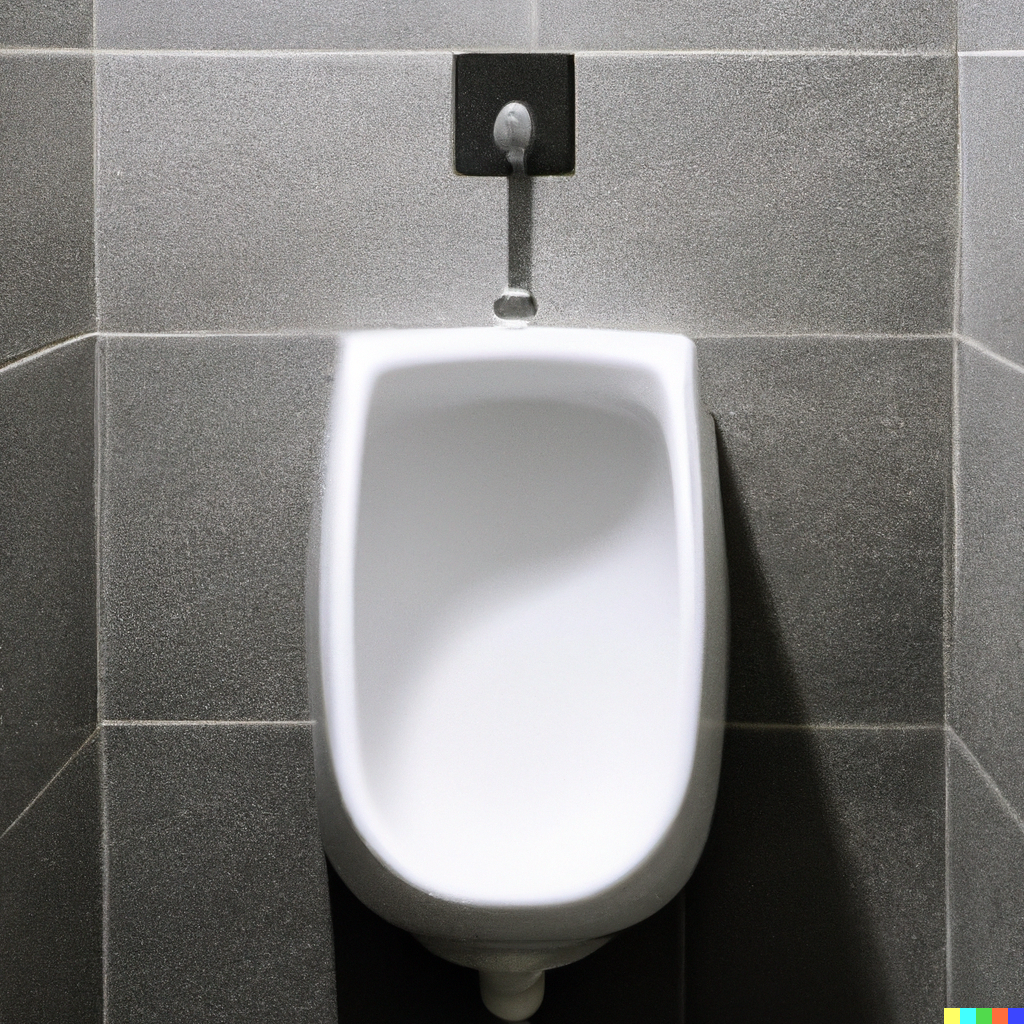
Waterless urinals in schools can have significant environmental and financial benefits, reducing water usage and associated costs while also lowering carbon emissions from water treatment facilities. Additionally, these urinals can improve indoor air quality and reduce maintenance requirements.
Learn why you should do this:
Waterless urinals have become a popular choice for schools as they not only reduce water consumption but also provide a range of environmental and financial benefits. By eliminating the need for water, waterless urinals are helping schools to conserve water resources, reduce wastewater discharge, and save money on utility bills. In this article, we will explore the environmental and financial benefits of using waterless urinals in schools.
Water savings:
According to a study conducted by the California Urban Water Conservation Council, a single waterless urinal can save up to 40,000 gallons of water per year, compared to a traditional urinal that uses up to 40,000 gallons of water per year. In schools, where hundreds or even thousands of students use restrooms every day, the water savings from installing waterless urinals can be significant.
Cost savings:
In addition to water savings, waterless urinals can also save schools money on utility bills. Traditional urinals require regular flushing, which means increased water usage and higher water bills. By eliminating the need for water, waterless urinals can help schools save money on their water and sewer bills. According to a study by the Department of Energy, a single waterless urinal can save up to $1,000 per year in water and sewer costs.
Maintenance savings:
Waterless urinals require minimal maintenance compared to traditional urinals. Because they do not use water, there is no need for daily flushing, reducing the need for routine maintenance and cleaning. In fact, most waterless urinals only require a simple cleaning once a week, which can save schools time and money on maintenance.
Environmental benefits:
By using waterless urinals, schools can significantly reduce their water consumption and wastewater discharge. This can help to conserve water resources, reduce the energy required to treat and transport wastewater, and minimize the environmental impact of wastewater discharge. In addition, by reducing water consumption, schools can help to reduce their carbon footprint and contribute to global efforts to combat climate change.
Health benefits:
Traditional urinals can be a breeding ground for bacteria and odors. By eliminating standing water, waterless urinals can help to reduce the growth of bacteria and odors, creating a more hygienic and pleasant restroom environment for students and staff.
In conclusion, using waterless urinals in schools can provide a range of environmental and financial benefits, including significant water and cost savings, reduced maintenance requirements, and improved restroom hygiene. As schools continue to focus on sustainability and environmental responsibility, the adoption of waterless urinals is becoming an increasingly popular choice for educational institutions. By implementing waterless urinals, schools can not only reduce their environmental impact but also save money and create a healthier and more pleasant restroom environment for their students and staff.
Sources:
-
Environmental Protection Agency. (2018). WaterSense® at work best management practices for commercial and institutional facilities. Retrieved from https://www.epa.gov/sites/production/files/2018-11/documents/watersense-at-work-best-management-practices-for-commercial-and-institutional-facilities-508.pdf
-
Ghaffarianhoseini, A., Ghaffarianhoseini, A., Chua, R., & Ngo, T. (2015). Waterless urinals: A paradigm shift in sustainable public toilet technology. Journal of Cleaner Production, 96, 219-231. doi: 10.1016/j.jclepro.2013.09.056
-
Green Building Alliance. (n.d.). Waterless urinals. Retrieved from https://www.go-gba.org/resources/waterless-urinals/
-
U.S. Green Building Council. (n.d.). Waterless urinals. Retrieved from https://www.usgbc.org/credits/eq-33
-
US General Services Administration. (2017). Water conservation best management practices. Retrieved from https://sftool.gov/sites/default/files/migratedfiles/WaterConservation-BestManagementPractices.pdf

All 100 ideas in one, easy to share ebook. Download now and start helping your school be its best version of itself...
Downloaded over 17,000 times!
More ways to make a difference, now!

No. 48: Reduce paper use by going digital with assignments & communications
Number 48 Going digital with assignments and communications can significantly reduce paper usage in schools, leading to environmental benefits such as decreased deforestation and greenhouse gas emissions. It can also result in financial savings from reduced paper and...

No. 39: Use energy-efficient kitchen equipment for school cooking
Number 39 Switching to energy-efficient kitchen equipment in schools can lead to significant environmental and financial benefits. Not only can it reduce carbon emissions and energy bills, but it can also improve the health and well-being of students and staff. Learn...
No. 51: Use natural fertilizers and compost in the school grounds
Number 51 Using natural fertilizers and compost in school grounds instead of chemical fertilizers brings many environmental and financial benefits. It helps reduce soil contamination, decrease waste disposal costs, and improve soil fertility, among others. Learn why...
