
No. 97: Use biodegradable restroom supplies
No. 97: Use biodegradable restroom supplies
Number 97
The use of biodegradable restroom supplies in schools provides environmental and financial benefits by reducing waste, lowering greenhouse gas emissions, and saving money on disposal fees. They also improve indoor air quality and promote health and safety.
As concerns about climate change and environmental sustainability continue to grow, more and more people are looking for ways to reduce their impact on the planet. One area where schools can make a difference is by switching to biodegradable restroom supplies. These eco-friendly products not only help protect the environment but can also save schools money in the long run.
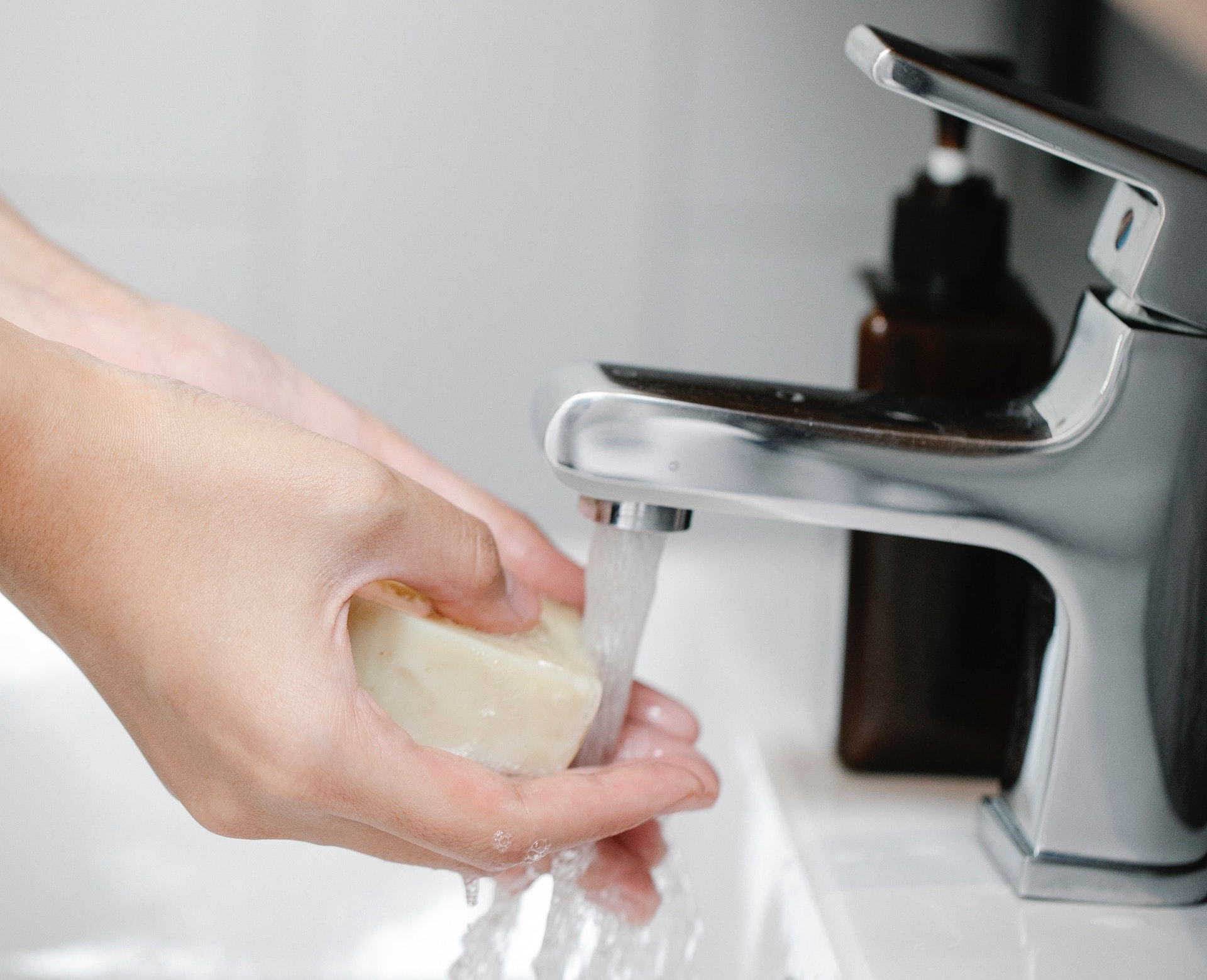
Biodegradable restroom supplies are made from materials that break down quickly and easily, reducing the amount of waste that goes into landfills. This includes items such as toilet paper, paper towels, and soap. Instead of traditional products that can take years to decompose, biodegradable supplies can break down in just a few months, reducing the amount of waste that accumulates in landfills.
Not only are biodegradable restroom supplies better for the environment, but they can also save schools money. Traditional restroom supplies can be expensive, and many schools find themselves constantly restocking and replacing them. By switching to biodegradable supplies, schools can save money in the long run by reducing the amount of waste they generate and the need to constantly restock supplies.
In addition to the environmental and financial benefits of using biodegradable restroom supplies, there are also health benefits to consider. Traditional restroom supplies often contain harsh chemicals and toxins that can be harmful to people’s health, especially those with allergies or sensitivities. Biodegradable supplies are made from natural materials that are free of harsh chemicals and toxins, making them a safer and healthier option for everyone.
There are many different types of biodegradable restroom supplies available, including toilet paper, paper towels, and soap. When choosing these products, it’s important to look for those that are certified by reputable organizations such as the Forest Stewardship Council (FSC) or the Global Organic Textile Standard (GOTS). These certifications ensure that the products are made from sustainable materials and meet certain environmental and social standards.
One example of a school that has successfully made the switch to biodegradable restroom supplies is the San Francisco Unified School District (SFUSD). In 2015, the SFUSD launched a pilot program to test the use of biodegradable products in their schools. The program was so successful that the district decided to expand it to all 111 of their schools. The switch to biodegradable supplies has not only helped the district reduce its environmental impact but has also saved them money in the long run.
Overall, using biodegradable restroom supplies in schools is a win-win situation. By reducing the amount of waste they generate, schools can help protect the environment and save money at the same time. And by choosing products that are made from natural materials, schools can also create a healthier environment for their students and staff. As more schools make the switch to biodegradable supplies, the benefits will only continue to grow.
Sources:
- “Going Green in SFUSD Bathrooms.” SFUSD, 18 Oct. 2016, https://www.sfusd.edu/news/going-green-sfusd-bathrooms.
- “Biodegradable Products Institute.” BPI, https://bpiworld.org/.
- “FSC Certified Products.” Forest Stewardship Council, https://us.fsc.org/en-us/products-certified.

All 100 ideas in one, easy to share ebook. Download now and start helping your school be its best version of itself...
Downloaded over 17,000 times!
More ways to make a difference, now!

No. 39: Use energy-efficient kitchen equipment for school cooking
Number 39 Switching to energy-efficient kitchen equipment in schools can lead to significant environmental and financial benefits. Not only can it reduce carbon emissions and energy bills, but it can also improve the health and well-being of students and staff. Learn...
No. 51: Use natural fertilizers and compost in the school grounds
Number 51 Using natural fertilizers and compost in school grounds instead of chemical fertilizers brings many environmental and financial benefits. It helps reduce soil contamination, decrease waste disposal costs, and improve soil fertility, among others. Learn why...

No. 46: Use a carbon neutral video conferencing service
Number 46 Using a carbon-neutral video conferencing service in school provides significant environmental benefits by reducing greenhouse gas emissions, as well as financial benefits through reduced travel costs. It can also promote inclusivity and enhance educational...
