
No. 95: Use energy-efficient vending machines
No. 95: Use energy-efficient vending machines
Number 95
This article discusses the environmental and financial benefits of using energy-efficient vending machines with low-energy lighting and motion sensors in schools. The machines have been found to significantly reduce energy consumption, lower operating costs, and decrease carbon emissions.
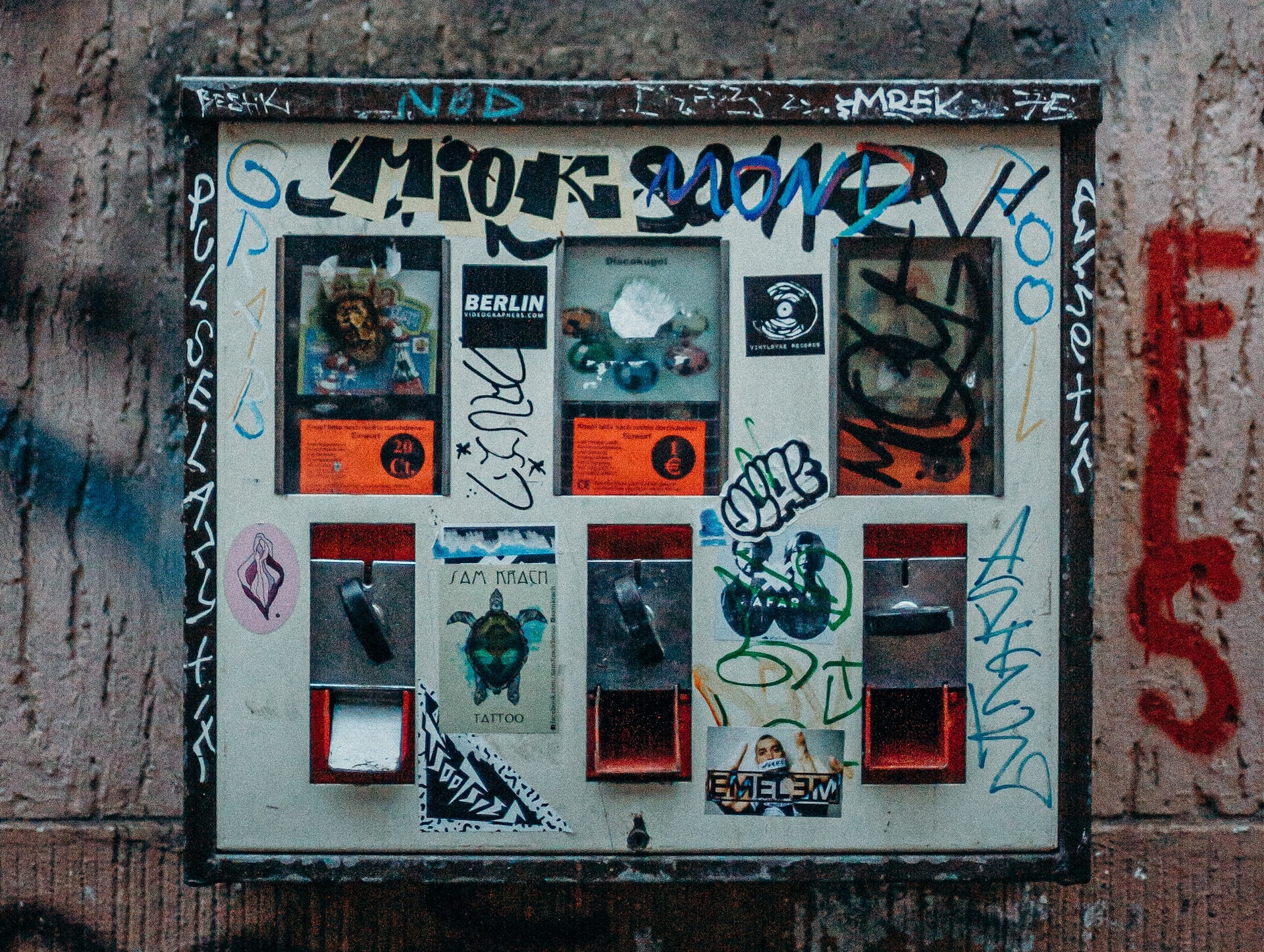
Energy-efficient vending machines are a great addition to schools, providing financial savings and environmental benefits. These machines use low-energy lighting and motion sensors, reducing energy consumption by up to 40%. Additionally, they feature smart refrigeration and compressor technologies that cut down on energy usage, and their design includes eco-friendly materials. Investing in energy-efficient vending machines can help schools save money on energy bills and contribute to a greener future.
According to the National Automatic Merchandising Association (NAMA), vending machines consume around 3% of the total energy usage in commercial buildings. This high energy consumption can lead to significant electricity costs for schools, particularly those with a high student population. However, investing in energy-efficient vending machines can help schools reduce energy usage and save money on energy bills.
Energy-efficient vending machines are designed to reduce energy usage in several ways. First, they use low-energy lighting, such as LED or fluorescent lights, which consume less energy than traditional incandescent bulbs. Additionally, some models feature motion sensors that turn off the lights when no one is nearby, further reducing energy consumption.
Another way that energy-efficient vending machines reduce energy usage is through their refrigeration and compressor technologies. These machines use smart refrigeration and compressor systems that regulate temperature and reduce energy usage when the machine is not in use. Additionally, some machines are designed with eco-friendly refrigerants that reduce greenhouse gas emissions and help schools meet sustainability goals.
In addition to their energy-saving benefits, energy-efficient vending machines are designed with eco-friendly materials. For example, some machines feature recycled steel or aluminum, while others use biodegradable or compostable materials for packaging. Additionally, some vending machines are equipped with sensors that monitor the machine’s energy usage and environmental impact, providing valuable data for schools looking to improve their sustainability efforts.
Implementing energy-efficient vending machines in schools can provide significant financial benefits as well. The NAMA reports that energy-efficient vending machines can save schools up to 40% on energy costs. This savings can be reinvested in other areas, such as purchasing educational materials or supporting extracurricular activities. Additionally, energy-efficient vending machines can help schools meet sustainability goals and enhance their reputation as environmentally responsible institutions.
In conclusion, energy-efficient vending machines with low-energy lighting and motion sensors, eco-friendly refrigerants, and sustainable materials are an excellent investment for schools looking to save money on energy bills and reduce their environmental impact. By implementing these machines, schools can cut down on energy usage and costs, while also contributing to a greener future.
Sources:
-
“Energy Efficiency in Vending Machines.” ENERGY STAR, U.S. Environmental Protection Agency, https://www.energystar.gov/products/commercial_food_service_equipment/vending_machines/energy_efficiency_vending_machines.
-
“Vending Machine Energy Savings.” US Department of Energy, Office of Energy Efficiency & Renewable Energy, https://www.energy.gov/eere/femp/vending-machine-energy-savings.
-
“Motion Sensor Vending Machines Can Help Cut Energy Use.” Vending Times, Vending Times Inc., 27 Aug. 2018, https://www.vendingtimes.com/articles/motion-sensor-vending-machines-can-help-cut-energy-u-11958.
-
“Lighting and Energy Efficiency in Vending Machines.” Vending Market Watch, Informa Markets, 4 Mar. 2019, https://www.vendingmarketwatch.com/technology/article/21086157/lighting-and-energy-efficiency-in-vending-machines.
-
“Vending Machines Go Green.” Convenience Store Decisions, Harbor Communications, 1 Sept. 2020, https://cstoredecisions.com/2020/09/01/vending-machines-go-green/.
-
“The Financial and Environmental Benefits of Energy-Efficient Vending Machines.” SnackNation, SnackNation Inc., 26 Sept. 2018, https://snacknation.com/blog/energy-efficient-vending-machines/.
-
“The Value of Energy Efficiency in Vending.” Automatic Merchandiser, NAMA – National Automatic Merchandising Association, 26 Feb. 2019, https://www.vending.org/resources/press-room/the-value-of-energy-efficiency-in-vending.
-
“Energy Efficient Vending Machines: A Win-Win for Businesses and the Environment.” Energy Trust of Oregon, Energy Trust of Oregon, 2019, https://www.energytrust.org/library/market-insights/energy-efficient-vending-machines/.
-
“Energy-Efficient Vending Machines.” Green America, Green America, https://www.greenamerica.org/green-living/energy-efficient-vending-machines.
-
“Vending Machine Energy Consumption: How Much Do Vending Machines Use?” Fresh Healthy Vending, Fresh Healthy Vending, 13 Jan. 2021, https://www.freshvending.com/vending-machine-energy-consumption/.

All 100 ideas in one, easy to share ebook. Download now and start helping your school be its best version of itself...
Downloaded over 17,000 times!
More ways to make a difference, now!

No. 19: Use a carbon neutral cloud data service
Number 19 Using a carbon-neutral cloud data service can significantly reduce the carbon footprint of schools and bring financial benefits. It can reduce energy consumption, lower costs, and promote sustainability. Learn why you should do this: As schools increasingly...

No. 49: Install water refill stations to promote reusable water bottles
Number 49 Installing water refill stations in schools promotes the use of reusable water bottles, which reduces plastic waste and saves money on bottled water. It also encourages healthier habits by making hydration more accessible. Learn why you should do this:...
No. 87: Provide charging points for electric cars near the entrances to the school
Number 87 Providing charging points for electric cars near the entrances to schools offers numerous environmental benefits by reducing greenhouse gas emissions and air pollution, while also providing financial benefits through potential revenue streams and cost...
