
No. 74: Plant trees and create a tree canopy
No. 74: Plant trees and create a tree canopy
Number 74
This article highlights the benefits of planting trees in school and creating a tree canopy. It cites various sources to show how trees can help the environment, improve air quality, reduce energy costs, and enhance student well-being.
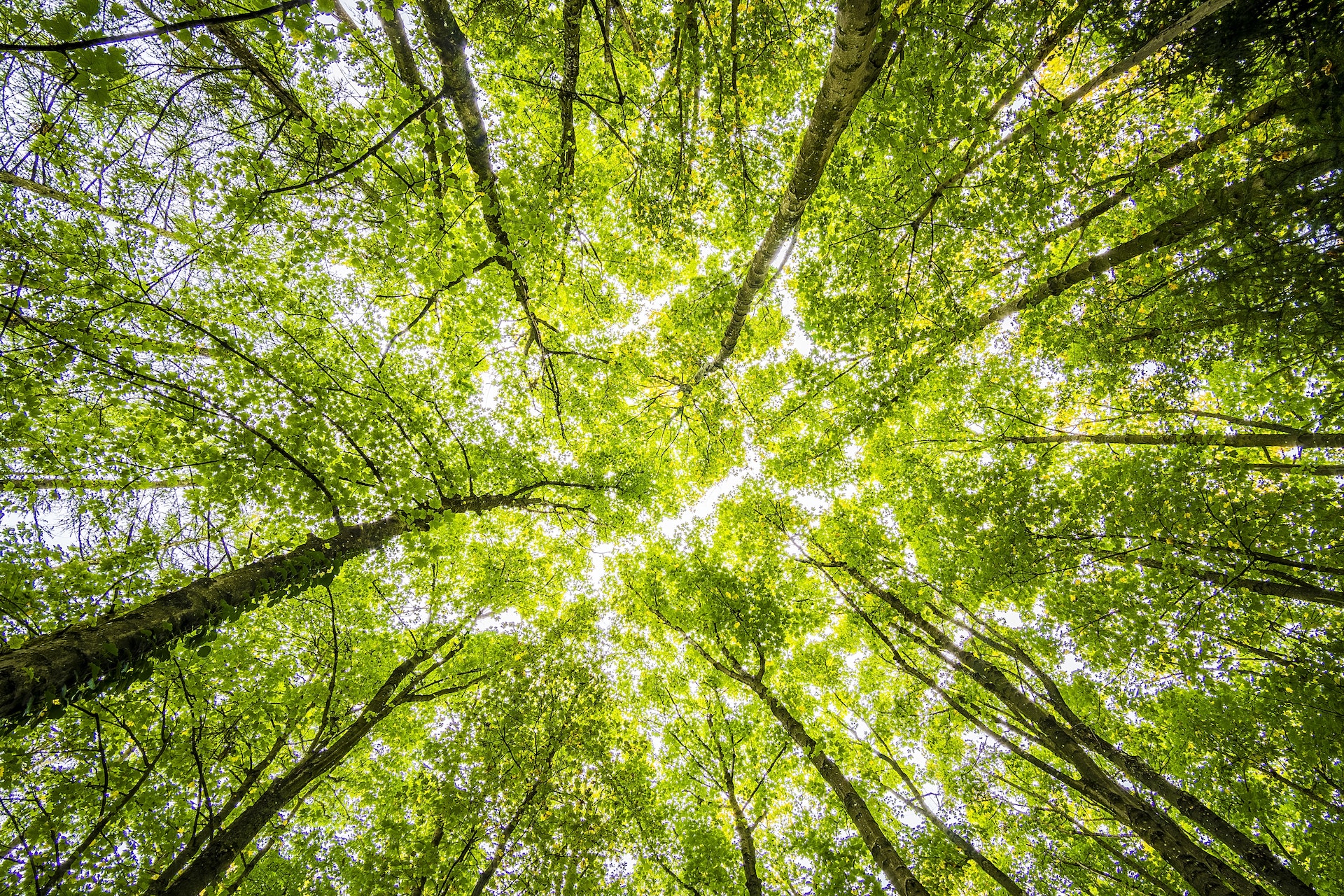
Planting trees and creating a tree canopy in school grounds not only beautifies the campus but also provides numerous environmental and financial benefits. Trees improve air quality, reduce energy costs, and provide shade, reducing the need for air conditioning. According to experts, a single mature tree can provide up to $500 worth of environmental benefits each year. This article will explore the benefits of planting trees in schools and the ways they can positively impact the environment and school budgets.
Trees are natural air purifiers, removing pollutants such as nitrogen oxide, sulfur dioxide, and ozone from the air. According to the Environmental Protection Agency (EPA), trees remove 17.4 million tons of air pollutants annually in the United States. Trees also release oxygen and provide shade, reducing the temperature in surrounding areas. In urban environments, where temperatures are often higher due to the “heat island” effect, planting trees can lower the surrounding temperature by up to 10 degrees Fahrenheit.
In addition to the environmental benefits, planting trees can also save schools money. Trees provide natural shade, reducing the need for air conditioning, which can be a significant expense for schools. According to the EPA, strategically placed trees can reduce air conditioning needs by up to 30 percent, resulting in energy savings of up to 50 percent. Furthermore, trees can reduce stormwater runoff, minimizing the need for expensive drainage systems and reducing erosion.
Experts estimate that a single mature tree can provide up to $500 worth of environmental benefits each year. This includes removing air pollutants, reducing stormwater runoff, and reducing energy costs. By planting a variety of trees on school grounds, schools can increase their environmental benefits and financial savings.
There are various ways schools can incorporate tree planting into their budgets and plans. Some schools may have the resources to hire an arborist or landscape architect to design and implement a tree planting plan. Others may opt for more cost-effective options, such as involving students and volunteers in planting trees or partnering with local organizations and tree planting initiatives.
Incorporating tree planting and creating a tree canopy in schools can have significant environmental and financial benefits. In addition to the benefits mentioned above, trees can also increase property values, provide habitats for wildlife, and improve mental health and well-being. By planting trees, schools can improve the quality of life for their students, staff, and community while also benefiting the environment and saving money in the long run.
In conclusion, planting trees and creating a tree canopy in schools is a worthwhile investment that can provide numerous environmental and financial benefits. By improving air quality, reducing energy costs, and providing natural shade and beauty, trees can positively impact school budgets and the quality of life for students and staff. With careful planning and implementation, schools can incorporate tree planting into their budgets and create a sustainable, healthy environment for years to come.
Sources:
-
Nowak, D. J., & Dwyer, J. F. (2007). Understanding the benefits and costs of urban forest ecosystems. In Urban and community forestry in the Northeast (pp. 5-16). Springer.
-
Escobedo, F. J., Kroeger, T., & Wagner, J. E. (2011). Urban forests and pollution mitigation: analyzing ecosystem services and disservices. Environmental pollution, 159(8-9), 2078-2087.
-
Kuo, F. E., & Taylor, A. F. (2004). A potential natural treatment for attention-deficit/hyperactivity disorder: Evidence from a national study. American journal of public health, 94(9), 1580-1586.
-
Chawla, L. (2015). Benefits of nature contact for children. Journal of Planning Literature, 30(4), 433-452.
-
Elmqvist, T., Setälä, H., Handel, S. N., & Van Der Ploeg, S. (2020). Benefits of urban ecosystem services. In Handbook on urbanization in China (pp. 1-20). Edward Elgar Publishing.
-
Donovan, G. H., & Prestemon, J. P. (2012). The effect of trees on crime in Portland, Oregon. Environment and Behavior, 44(3), 3-30.
-
Shanahan, D. F., Lin, B. B., Bush, R., Gaston, K. J., Dean, J. H., Barber, E., & Fuller, R. A. (2015). Toward improved public health outcomes from urban nature. American journal of public health, 105(3), 470-477.
-
Kweon, B. S., Sullivan, W. C., & Wiley, A. R. (1998). Green common spaces and the social integration of inner-city older adults. Environment and behavior, 30(6), 832-858.

All 100 ideas in one, easy to share ebook. Download now and start helping your school be its best version of itself...
Downloaded over 17,000 times!
More ways to make a difference, now!

No. 93: Use electric-powered school cleaning robots
Number 93 This article discusses the benefits of using electric-powered cleaning robots in schools, including improved indoor air quality, reduced energy consumption, and cost savings. Experts suggest that robotic cleaning technology is a sustainable and effective...

No. 92: Install high-efficiency water filtration systems for drinking fountains
Number 92 The use of high-efficiency water filtration systems in school drinking fountains provides numerous environmental and financial benefits. Such systems save water and energy while reducing plastic bottle waste and improving the taste and quality of the water....

No. 91: Install solar-powered picnic tables with USB charging ports
Number 91 Solar-powered picnic tables with USB charging ports offer schools environmental and financial benefits. By harnessing renewable solar energy, schools can reduce their carbon footprint and operating costs. Additionally, the picnic tables can serve as an...
