
No. 55: Invest in eco-friendly art supplies
No. 55: Invest in eco-friendly art supplies
Number 55
Investing in eco-friendly art supplies in schools can benefit the environment by reducing waste and pollution, as well as reducing health risks for students and teachers. It can also have financial benefits in the long run through reduced purchasing and disposal costs.
Investing in eco-friendly art supplies in schools is a sustainable choice that benefits both the environment and the budget. Traditional art supplies contain harmful chemicals and plastics that contribute to pollution and waste. By switching to eco-friendly alternatives, schools can reduce their carbon footprint, protect student health, and save money in the long run.
Eco-friendly art supplies are made from non-toxic, renewable, and biodegradable materials. For example, natural paints are made from plant-based ingredients and are free from heavy metals, solvents, and VOCs (volatile organic compounds). Sustainable paper and cardboard are made from recycled materials or from FSC (Forest Stewardship Council) certified sources, which ensures that they come from responsibly managed forests.
One of the main benefits of using eco-friendly art supplies is that they are safer for students and teachers. Traditional art supplies can emit harmful fumes and chemicals that can cause respiratory problems, skin irritation, and other health issues. By switching to eco-friendly alternatives, schools can create a healthier and safer learning environment.
Another benefit of using eco-friendly art supplies is that they can reduce waste and pollution. Traditional art supplies contain plastics and other materials that can take hundreds of years to decompose in landfills. By using biodegradable and compostable alternatives, schools can reduce their waste and contribute to a more sustainable future.
Furthermore, investing in eco-friendly art supplies can save schools money in the long run. Although the initial cost of eco-friendly supplies may be slightly higher than traditional supplies, they are often more durable and long-lasting. For example, natural paints are more resistant to fading and cracking than traditional paints, which means that they require less frequent replacements. Sustainable paper and cardboard can also be more durable and tear-resistant than non-recycled options.
According to the Green Schools Initiative, a non-profit organization that promotes sustainability in schools, using eco-friendly art supplies can also be an opportunity to teach students about environmental responsibility and the importance of sustainable practices. By incorporating sustainability into art education, schools can help students become more aware of their impact on the environment and inspire them to make positive changes in their communities.
In conclusion, investing in eco-friendly art supplies in schools is a smart and sustainable choice. It promotes student health and safety, reduces waste and pollution, and saves money in the long run. By making the switch to sustainable art supplies, schools can demonstrate their commitment to sustainability and inspire the next generation of environmental stewards.
Sources:
- Green Schools Initiative. (n.d.). Green Art Supplies. Retrieved from https://greenschools.net/green-art-supplies/
- Art Room Aid. (n.d.). Eco-Friendly Art Supplies. Retrieved from https://www.artroomaid.com/pages/eco-friendly-art-supplies
- Art Supplies from Eco-Friendly Sources. (n.d.). Retrieved from https://www.dickblick.com/categories/green/


All 100 ideas in one, easy to share ebook. Download now and start helping your school be its best version of itself...
Downloaded over 17,000 times!
More ways to make a difference, now!

No. 39: Use energy-efficient kitchen equipment for school cooking
Number 39 Switching to energy-efficient kitchen equipment in schools can lead to significant environmental and financial benefits. Not only can it reduce carbon emissions and energy bills, but it can also improve the health and well-being of students and staff. Learn...
No. 51: Use natural fertilizers and compost in the school grounds
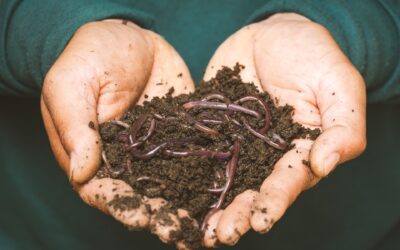
Number 51 Using natural fertilizers and compost in school grounds instead of chemical fertilizers brings many environmental and financial benefits. It helps reduce soil contamination, decrease waste disposal costs, and improve soil fertility, among others. Learn why...

No. 46: Use a carbon neutral video conferencing service
Number 46 Using a carbon-neutral video conferencing service in school provides significant environmental benefits by reducing greenhouse gas emissions, as well as financial benefits through reduced travel costs. It can also promote inclusivity and enhance educational...
