
No. 54: Invest in energy-efficient projectors and screens
No. 54: Invest in energy-efficient projectors and screens
Number 54
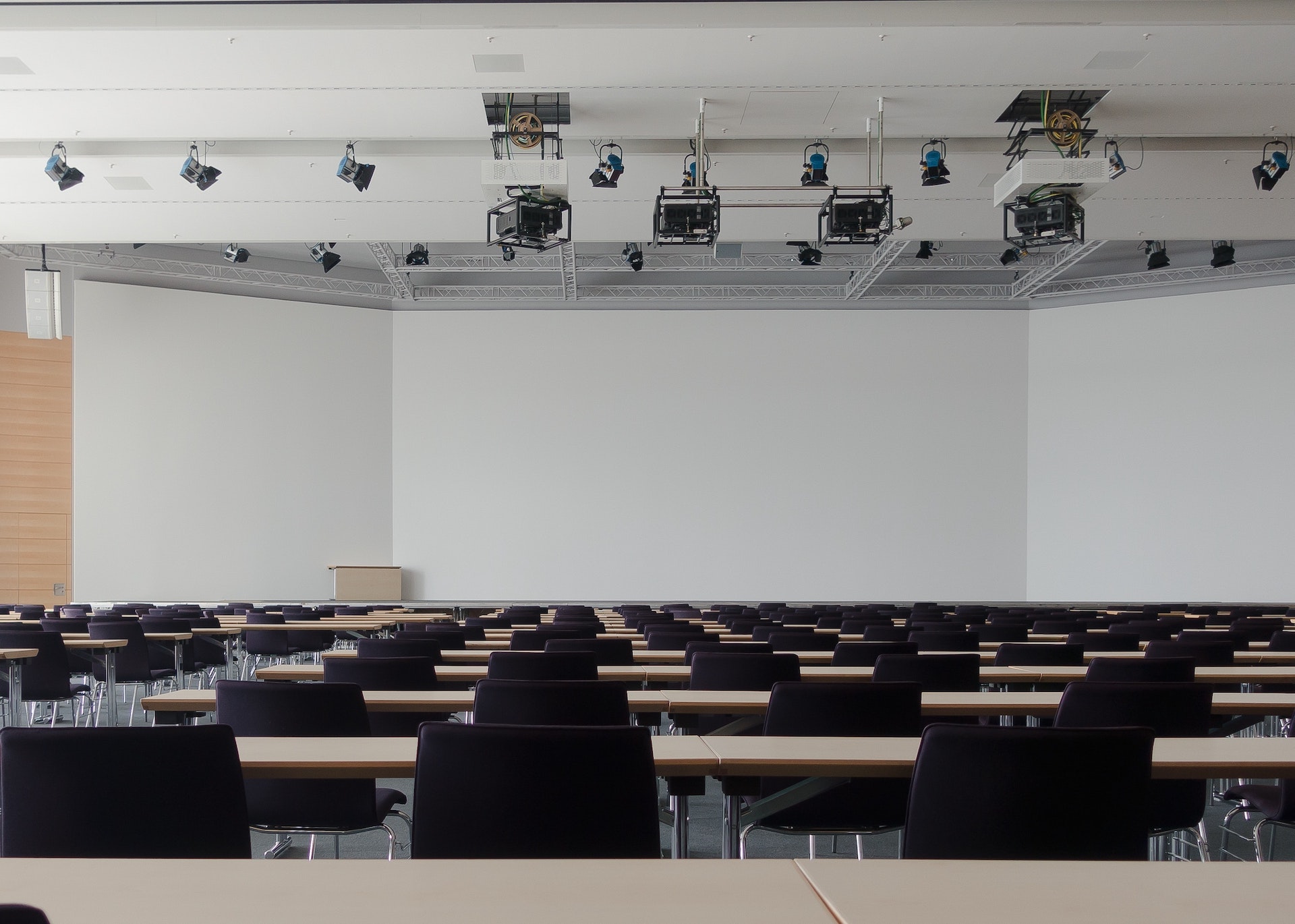
Investing in energy-efficient projectors and screens in schools can significantly reduce energy consumption, lower costs, and reduce carbon emissions. Additionally, they can improve the quality of education for students and teachers by providing clearer, brighter images and reducing eye strain.
Learn why you should do this:
Investing in energy-efficient projectors and screens can have significant environmental and financial benefits for schools. Traditional projectors and screens consume large amounts of energy and can contribute to high electricity bills and carbon emissions. By using energy-efficient alternatives, schools can reduce their energy consumption and save money in the long term.
Energy-efficient projectors and screens use LED or laser technology, which consumes less energy than traditional bulb-based systems. According to the Department of Energy, LED projectors use 30-60% less energy than their traditional counterparts. In addition, energy-efficient projectors have longer lifetimes and require less maintenance, further reducing costs for schools.
One example of an energy-efficient projector is the Epson PowerLite L200SW, which uses laser technology and consumes up to 30% less energy than traditional bulb-based projectors. Another option is the Optoma EH460ST, which uses LED technology and has a lamp life of up to 20,000 hours, significantly longer than traditional bulb-based projectors.
Aside from the cost savings, using energy-efficient projectors and screens can also have environmental benefits. According to the Environmental Protection Agency (EPA), using energy-efficient projectors can reduce greenhouse gas emissions by up to 80%. This reduction in emissions can help schools meet sustainability goals and contribute to a cleaner environment.
In addition to investing in energy-efficient projectors and screens, schools can also take steps to reduce energy consumption during use. For example, turning off projectors and screens when not in use, using low-energy modes, and adjusting brightness settings can all contribute to energy savings.
Schools can also consider implementing automated systems that turn off projectors and screens when not in use. For example, the Crestron RoomView Express software allows schools to remotely monitor and control energy usage in classrooms, ensuring that projectors and screens are turned off when not needed.
Investing in energy-efficient projectors and screens is not only financially and environmentally beneficial for schools, but it can also serve as a valuable educational opportunity for students. By teaching students about energy conservation and sustainability practices, schools can help create a culture of environmental awareness and responsibility.
In conclusion, investing in energy-efficient projectors and screens can provide significant environmental and financial benefits for schools. By using LED or laser technology, schools can reduce energy consumption, save money on electricity bills, and contribute to a cleaner environment. Additionally, implementing automated systems and teaching students about energy conservation can help foster a culture of sustainability in schools.
Sources:
-
Gonsalves, A. (2018, March 20). Benefits of energy-efficient projectors. Tech Learning. https://www.techlearning.com/resources/benefits-of-energy-efficient-projectors
-
Energy Star. (n.d.). Why choose ENERGY STAR certified audio/video equipment? https://www.energystar.gov/products/electronics/audio_video/why_choose_energy_star_certified_audiovideo_equipment
-
ENERGY STAR. (n.d.). Projectors. https://www.energystar.gov/products/office_equipment/projectors
-
U.S. Department of Energy. (2019, November 12). Energy-efficient equipment. https://www.energy.gov/energysaver/design/appliances/equipment-energy-efficiency
-
National Renewable Energy Laboratory. (2017, December 14). Energy-efficient technologies for schools. https://www.nrel.gov/docs/fy18osti/69940.pdf

All 100 ideas in one, easy to share ebook. Download now and start helping your school be its best version of itself...
Downloaded over 17,000 times!
More ways to make a difference, now!

No. 39: Use energy-efficient kitchen equipment for school cooking
Number 39 Switching to energy-efficient kitchen equipment in schools can lead to significant environmental and financial benefits. Not only can it reduce carbon emissions and energy bills, but it can also improve the health and well-being of students and staff. Learn...

No. 51: Use natural fertilizers and compost in the school grounds
Number 51 Using natural fertilizers and compost in school grounds instead of chemical fertilizers brings many environmental and financial benefits. It helps reduce soil contamination, decrease waste disposal costs, and improve soil fertility, among others. Learn why...

No. 46: Use a carbon neutral video conferencing service
Number 46 Using a carbon-neutral video conferencing service in school provides significant environmental benefits by reducing greenhouse gas emissions, as well as financial benefits through reduced travel costs. It can also promote inclusivity and enhance educational...
