
No. 100: Install energy-efficient laboratory equipment
No. 100: Install energy-efficient laboratory equipment
Number 100
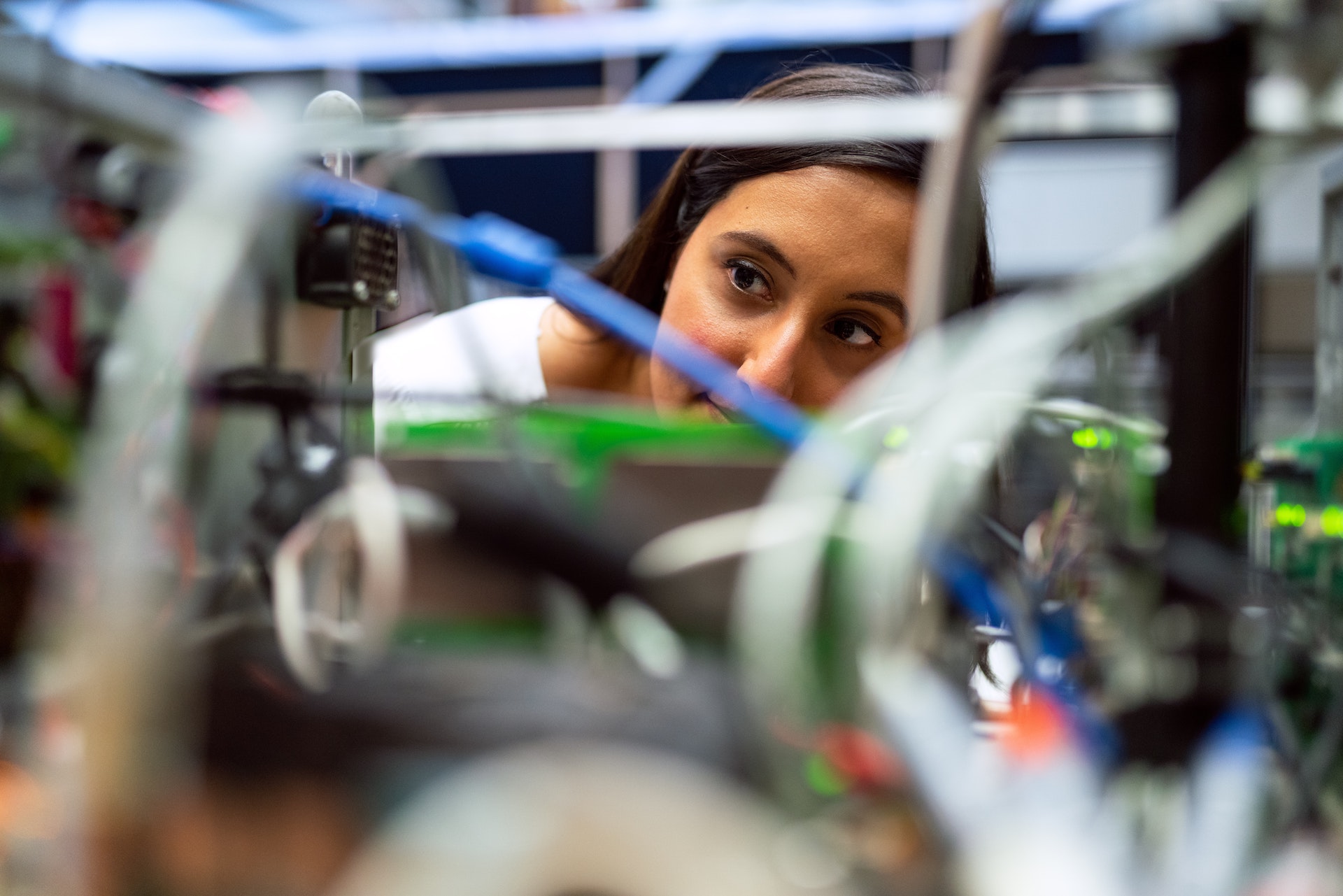
The installation of energy-efficient laboratory equipment can significantly reduce energy consumption and costs in schools. Such equipment has also been shown to improve performance and reduce carbon emissions, benefiting both the environment and the institution’s finances.
As schools strive to reduce their carbon footprint, one area that often goes unnoticed is the laboratory. However, by implementing energy-efficient laboratory equipment, schools can significantly reduce their energy consumption and save money on utility bills. Energy-efficient equipment includes fume hoods, refrigerators, and freezers that consume less energy, produce fewer greenhouse gases, and require less maintenance.
According to the U.S. Department of Energy, laboratory equipment accounts for up to 70% of a laboratory’s energy consumption. Traditional fume hoods can consume up to three times more energy than modern, energy-efficient fume hoods. Energy-efficient fume hoods feature variable air volume control, which adjusts the amount of air that passes through the hood, depending on the user’s needs. This reduces the amount of conditioned air that is exhausted and saves energy.
Another way to reduce energy consumption is by implementing energy-efficient refrigerators and freezers. Ultra-low temperature freezers, for instance, can consume up to 20,000 kilowatt-hours per year, which translates into significant energy savings when replaced with an energy-efficient model. An energy-efficient ultra-low temperature freezer can consume up to 50% less energy than a standard model.
In addition to reducing energy consumption, energy-efficient laboratory equipment can help schools achieve sustainability goals by reducing their greenhouse gas emissions. According to the U.S. Environmental Protection Agency, laboratory equipment accounts for 15% of a laboratory’s greenhouse gas emissions. Energy-efficient fume hoods and refrigerators produce fewer greenhouse gases, helping schools reduce their carbon footprint.
Moreover, energy-efficient laboratory equipment requires less maintenance, resulting in fewer maintenance-related costs. Traditional fume hoods, for instance, require a lot of maintenance, including regular filter replacements and calibration. Energy-efficient fume hoods require less maintenance, reducing the amount of time and money spent on upkeep.
Energy-efficient laboratory equipment also helps to ensure the safety of laboratory personnel. Energy-efficient fume hoods, for instance, feature sensors that monitor the air quality and alert users when the air quality falls below safe levels. They also feature safety shut-off valves that close the fume hood when hazardous chemicals are detected.
In conclusion, implementing energy-efficient laboratory equipment in schools can bring significant environmental and financial benefits. By reducing energy consumption and greenhouse gas emissions, schools can contribute to a more sustainable future while saving money on utility bills. In addition, energy-efficient laboratory equipment requires less maintenance, ensuring safety for laboratory personnel and reducing maintenance-related costs. Schools can take a step towards sustainability by upgrading their laboratory equipment to more energy-efficient models.
Sources:
- U.S. Department of Energy. “Reducing Energy Costs in Labs.” Energy.gov, 1 June 2015, www.energy.gov/eere/articles/reducing-energy-costs-labs.
- “Energy Efficiency in Laboratories.” Harvard University, Green Building Services, 2021, green.harvard.edu/tools-resources/best-practices/energy-efficiency-laboratories.
- “Sustainable Laboratories.” U.S. Environmental Protection Agency, 7 May 2021, www.epa.gov/sustainability/sustainable-laboratories.

All 100 ideas in one, easy to share ebook. Download now and start helping your school be its best version of itself...
Downloaded over 17,000 times!
More ways to make a difference, now!

No. 93: Use electric-powered school cleaning robots
Number 93 This article discusses the benefits of using electric-powered cleaning robots in schools, including improved indoor air quality, reduced energy consumption, and cost savings. Experts suggest that robotic cleaning technology is a sustainable and effective...

No. 92: Install high-efficiency water filtration systems for drinking fountains
Number 92 The use of high-efficiency water filtration systems in school drinking fountains provides numerous environmental and financial benefits. Such systems save water and energy while reducing plastic bottle waste and improving the taste and quality of the water....

No. 91: Install solar-powered picnic tables with USB charging ports
Number 91 Solar-powered picnic tables with USB charging ports offer schools environmental and financial benefits. By harnessing renewable solar energy, schools can reduce their carbon footprint and operating costs. Additionally, the picnic tables can serve as an...
