
No. 87: Provide charging points for electric cars near the entrances to the school
No. 87: Provide charging points for electric cars near the entrances to the school
Number 87
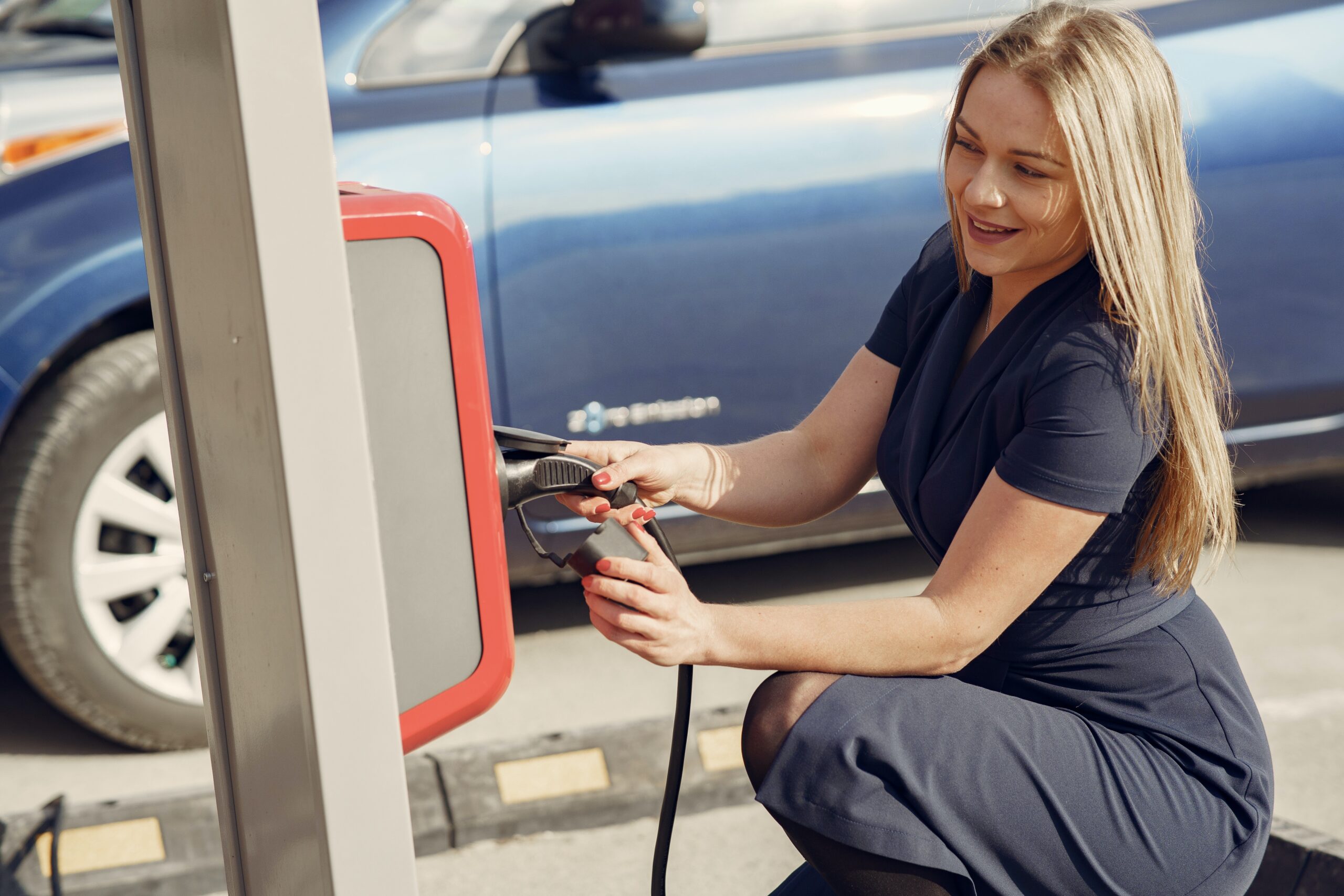
Providing charging points for electric cars near the entrances to schools offers numerous environmental benefits by reducing greenhouse gas emissions and air pollution, while also providing financial benefits through potential revenue streams and cost savings.
Learn why you should do this:
Providing charging points for electric cars near school entrances can have numerous environmental and financial benefits. Electric vehicles are a rapidly growing market, and installing charging points can help support this trend, while also reducing greenhouse gas emissions and improving air quality. Additionally, installing charging points can provide a source of revenue for the school and make the school more attractive to electric vehicle owners.
One major benefit of installing charging points for electric cars is the reduction in greenhouse gas emissions. According to a report by the Union of Concerned Scientists, electric cars produce less than half the greenhouse gas emissions of traditional gasoline-powered cars over their lifetime, even when accounting for the emissions associated with the production of electricity used to charge them. By supporting the use of electric cars, schools can help reduce the amount of greenhouse gases released into the atmosphere, which is especially important given the urgent need to combat climate change.
In addition to environmental benefits, installing charging points can also provide financial benefits for the school. Many electric car drivers are willing to pay for the convenience of charging their vehicles, and schools can generate revenue by charging a fee for the use of their charging points. According to a report by the National Renewable Energy Laboratory, providing electric vehicle charging can create a new source of revenue for businesses, especially in locations where there is high demand for charging. This revenue can be used to offset the initial cost of installing the charging points and provide funds for other sustainability initiatives.
Furthermore, installing charging points for electric cars can make the school more attractive to students, staff, and visitors who own electric vehicles. A survey by PlugShare found that the availability of charging stations is a top consideration for electric vehicle owners when deciding where to travel or visit. By providing charging points, schools can signal their commitment to sustainability and attract environmentally conscious students and staff.
It is also important to consider the future of transportation. As electric cars become more popular, having charging points in convenient locations such as school entrances can help encourage the transition away from traditional gasoline-powered cars. This can have a significant impact on local air quality and reduce dependence on fossil fuels.
Overall, installing charging points for electric cars near school entrances can have significant environmental and financial benefits. By reducing greenhouse gas emissions, generating revenue, and making the school more attractive to electric vehicle owners, schools can demonstrate their commitment to sustainability and support the transition to a more sustainable future.
Sources:
-
International Energy Agency. (2021). Global EV Outlook 2021. Paris: International Energy Agency. Retrieved from https://www.iea.org/reports/global-ev-outlook-2021
-
The International Council on Clean Transportation. (2016). Quantifying the Climate and Air Quality Benefits of High Occupancy Vehicle (HOV) and Parking Preferential Policies for Clean Vehicles in Beijing. Retrieved from https://www.theicct.org/sites/default/files/publications/ICCT_HOV-Parking-policy-assessment-Beijing_20161213.pdf
-
U.S. Department of Energy. (2021). Electric Vehicle Charging Infrastructure Projects. Retrieved from https://www.energy.gov/eere/vehicles/electric-vehicle-charging-infrastructure-projects
-
U.S. Environmental Protection Agency. (2021). Greenhouse Gas Equivalencies Calculator. Retrieved from https://www.epa.gov/energy/greenhouse-gas-equivalencies-calculator
-
Union of Concerned Scientists. (2021). The Benefits of Electric Vehicles. Retrieved from https://www.ucsusa.org/resources/benefits-electric-vehicles
-
United Nations Framework Convention on Climate Change. (2015). Paris Agreement. Retrieved from https://unfccc.int/sites/default/files/english_paris_agreement.pdf

All 100 ideas in one, easy to share ebook. Download now and start helping your school be its best version of itself...
Downloaded over 17,000 times!
More ways to make a difference, now!

No. 38: Engage with an ewaste recycling program
Number 38 An e-waste recycling program can provide environmental and financial benefits to schools by properly disposing of electronic devices and using the funds for community sustainability projects or PTA. Engaging in such programs can reduce the amount of e-waste...

No. 40: Measure your school’s carbon footprint
Number 40 This article explains the importance of measuring a school's carbon footprint and the potential environmental and financial benefits that can result from it. It cites various experts and studies to provide evidence for its claims. Measuring your school's...

No. 34: Use a consolidation service to deliver your goods
Number 34 The use of consolidation services to deliver goods to schools can have significant environmental and financial benefits, reducing transportation emissions and lowering costs. These services combine multiple shipments into one delivery, reducing the number of...
