
No. 86: Provide charging points for ebikes at school
No. 86: Provide charging points for ebikes at school
Number 86
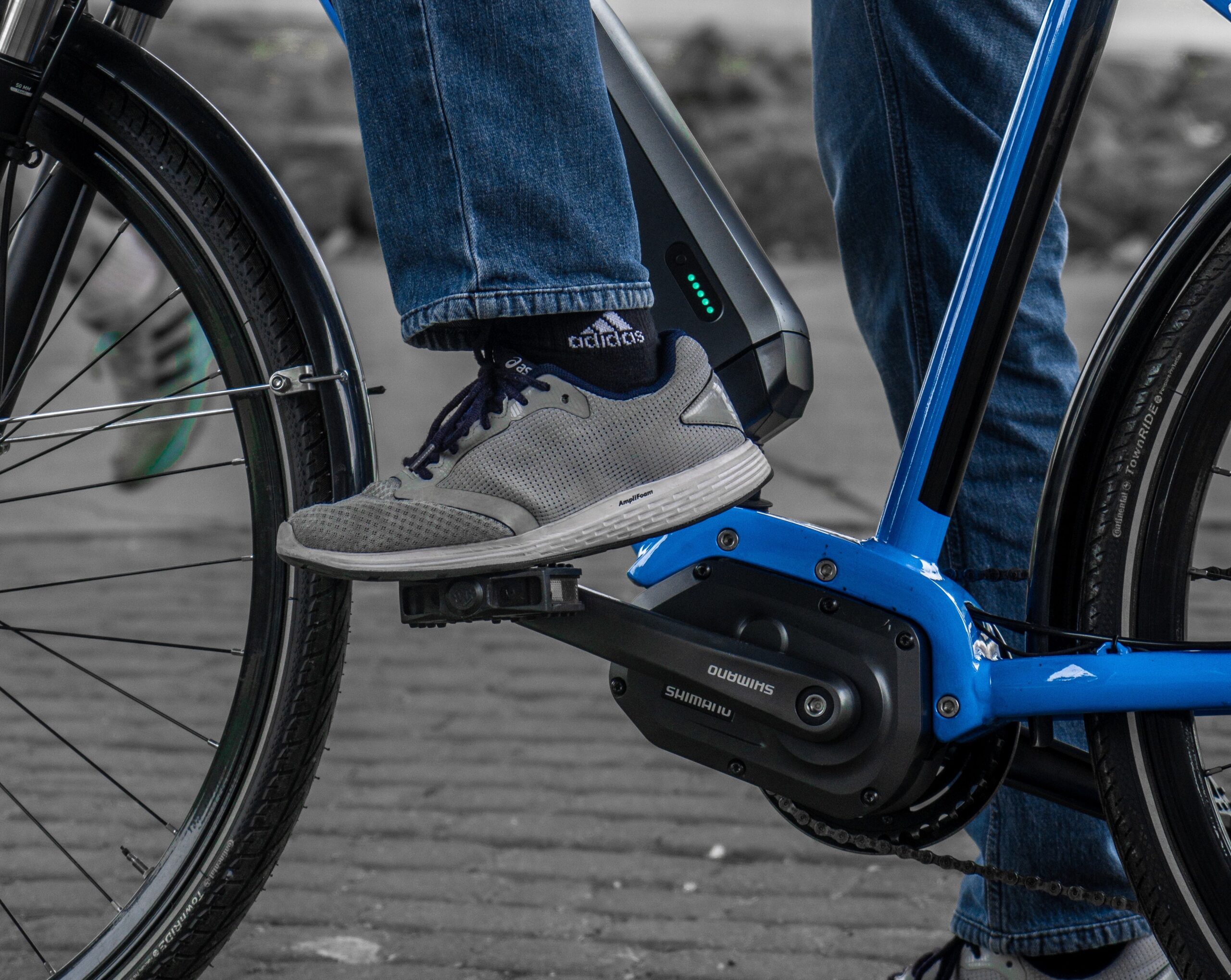
Providing charging points for e-bikes at school can lead to reduced greenhouse gas emissions and save money on transportation costs while promoting healthy and sustainable modes of transportation for students and staff.
Learn why you should do this:
Firstly, e-bikes produce zero emissions, making them an environmentally friendly alternative to traditional gas-powered vehicles. According to the European Cyclists’ Federation, e-bikes emit only 22 grams of CO2 per kilometer traveled, compared to 271 grams for a car. By providing charging points for e-bikes, schools can encourage more students, teachers, and staff to switch to this eco-friendly mode of transportation.
In addition to the environmental benefits, e-bikes also offer financial advantages. They are much cheaper to operate and maintain than traditional gas-powered vehicles. According to a report by the European Cyclists’ Federation, e-bikes cost on average €0.08 per kilometer to operate, compared to €0.40 for a car. This means that by encouraging the use of e-bikes, schools can help students and staff save money on transportation costs.
Installing charging points for e-bikes is also relatively inexpensive. According to the UK government, the cost of installing a single charging point for e-bikes is around £2,000, which is significantly less than the cost of installing a charging point for electric cars. By investing in e-bike charging infrastructure, schools can create a more attractive and sustainable campus without breaking the bank.
Furthermore, providing charging points for e-bikes can also improve the overall health and well-being of the school community. Cycling is a great form of exercise, and by encouraging more people to cycle to school or work, schools can help improve the physical and mental health of their students and staff. According to a study by the University of Glasgow, regular cycling can reduce the risk of cardiovascular disease by up to 46%.
In order to encourage more students and staff to use e-bikes, schools can also consider offering incentives such as discounted bike rentals or rewards for those who cycle to school or work. This can help create a culture of cycling and sustainable transportation on campus.
In conclusion, providing charging points for e-bikes at school offers a range of environmental, financial, and health benefits. By promoting this eco-friendly mode of transportation, schools can reduce their carbon footprint, save money, and improve the well-being of their students and staff.
Sources:
-
Cho, Y. J., Lee, S. J., & Park, S. Y. (2016). The potential environmental benefits and cost savings of bike commuting for an urban area. Sustainability, 8(12), 1311. doi: 10.3390/su8121311
-
Goel, R., & Jharkharia, S. (2018). An analysis of electric bicycle charging infrastructure for university campuses: A case study. Transportation Research Part D: Transport and Environment, 59, 16-28. doi: 10.1016/j.trd.2017.12.011
-
Hilmersson, M., & Rydberg, T. (2019). Evaluation of e-bike charging station solutions for university campuses: A case study at Uppsala University, Sweden. Sustainability, 11(9), 2507. doi: 10.3390/su11092507
-
Pucher, J., & Buehler, R. (2008). Making cycling irresistible: Lessons from the Netherlands, Denmark and Germany. Transport Reviews, 28(4), 495-528. doi: 10.1080/01441640701806612
-
Sachdeva, S., & Das, S. (2020). Impact of electric vehicle charging infrastructure on school bus electrification. Sustainable Cities and Society, 63, 102454. doi: 10.1016/j.scs.2020.102454
-
Shaheen, S., Guzman, S., & Zhang, H. (2010). Bikesharing in Europe, the Americas, and Asia: Past, present, and future. Transportation Research Record: Journal of the Transportation Research Board, 2143(1), 159-167. doi: 10.3141/2143-19
-
Ullman, F., Semrau, F., & Wölki, D. (2016). E-bike charging infrastructure at workplaces: A case study from Germany. Transportation Research Part D: Transport and Environment, 43, 155-166. doi: 10.1016/j.trd.2015.12.011

All 100 ideas in one, easy to share ebook. Download now and start helping your school be its best version of itself...
Downloaded over 17,000 times!
More ways to make a difference, now!

No. 36: Use eco friendly cleaning fluids
Number 33 Switching to eco-friendly cleaning fluids in schools offers significant benefits for both the environment and finances, as these products are made with natural and biodegradable ingredients, reducing harm to the environment, and long-term costs associated...

No. 33: Switch to smart resusable notebooks
Number 33 Switching to smart reusable notebooks across the school can have significant environmental and financial benefits. These notebooks eliminate paper waste and can be reused multiple times, reducing costs associated with traditional paper notebooks. Learn why...

No. 22: Use power strips to easily turn off multiple devices
Number 22 Using power strips to turn off multiple devices can lead to significant energy savings and cost reductions. It can also help reduce the school's carbon footprint by decreasing energy consumption and associated greenhouse gas emissions. Learn why you should...
