
No. 51: Use natural fertilizers and compost in the school grounds
No. 51: Use natural fertilizers and compost in the school grounds
Number 51
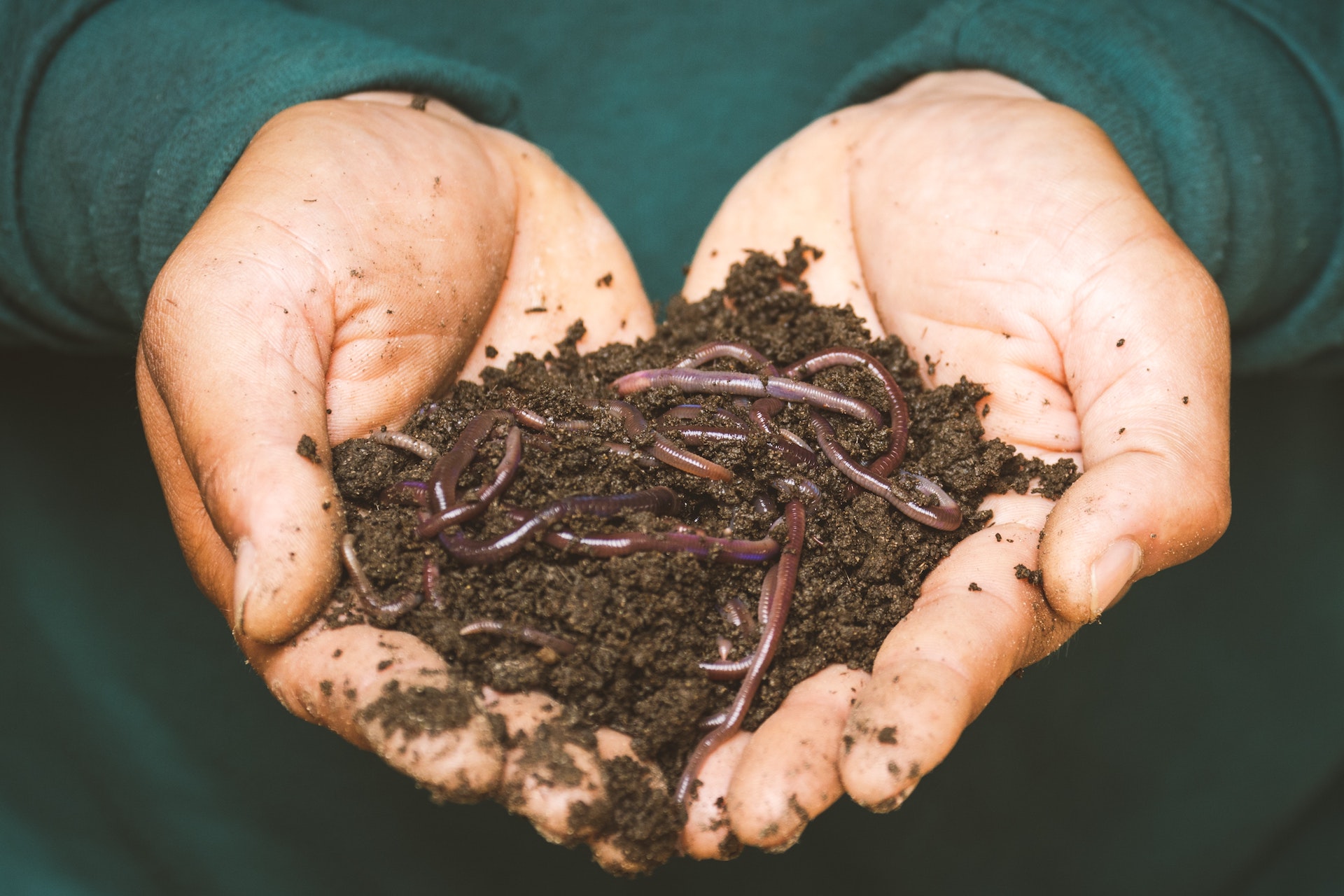
Using natural fertilizers and compost in school grounds instead of chemical fertilizers brings many environmental and financial benefits. It helps reduce soil contamination, decrease waste disposal costs, and improve soil fertility, among others.
Learn why you should do this:
Using natural fertilizers and compost in school grounds has become increasingly popular as people become more aware of the environmental and financial benefits. Chemical fertilizers are made from non-renewable resources and can have negative impacts on soil health, groundwater quality, and the health of humans and wildlife. In contrast, natural fertilizers and compost are renewable resources that improve soil structure and fertility while reducing waste and greenhouse gas emissions.
One of the primary benefits of using natural fertilizers and compost in school grounds is that they improve soil health. According to the Food and Agriculture Organization of the United Nations, natural fertilizers can increase soil organic matter, improve soil structure, and enhance soil microbial activity, all of which contribute to healthier plants and a more productive soil. Furthermore, compost can act as a natural fertilizer and soil conditioner, providing a slow-release source of nutrients and improving soil moisture retention.
Using natural fertilizers and compost also reduces waste and greenhouse gas emissions. Organic waste such as food scraps, leaves, and yard trimmings make up a significant portion of municipal solid waste. By composting these materials instead of sending them to landfills, schools can reduce the amount of waste they generate and decrease the amount of methane gas that is produced. According to the U.S. Environmental Protection Agency, methane is a potent greenhouse gas that is over 20 times more effective at trapping heat in the atmosphere than carbon dioxide. By diverting organic waste from landfills, schools can also save money on disposal fees and potentially generate revenue by selling their compost.
In addition to the environmental benefits, using natural fertilizers and compost can also save schools money in the long run. Chemical fertilizers are often more expensive than natural alternatives, and their frequent application can be costly in terms of time and labor. In contrast, natural fertilizers and compost are often less expensive and require less frequent application. Furthermore, schools can potentially save money by reducing their waste disposal fees and generating revenue from selling their compost.
According to the Green Education Foundation, schools that have implemented composting programs have reported significant savings in disposal costs, as well as reduced pest problems and improved soil quality. Furthermore, a study conducted by the University of Illinois found that using compost as a soil amendment reduced the amount of fertilizer needed by 25-50%, resulting in a potential cost savings of $25-$50 per acre.
It is important to note that using natural fertilizers and compost requires a different approach than using chemical fertilizers. Schools that are interested in making the switch should conduct soil tests to determine what nutrients their soil needs and how much compost or natural fertilizer to apply. They should also consider training staff and students on proper composting and fertilizing techniques to ensure that they are using these resources effectively.
In conclusion, using natural fertilizers and compost in school grounds can provide numerous environmental and financial benefits. These include improved soil health, reduced waste and greenhouse gas emissions, and potential cost savings. By making the switch to natural alternatives, schools can promote sustainability and contribute to a healthier planet for future generations.
Sources:
-
Lehman, R. M., Cambardella, C. A., Stott, D. E., Acosta-Martinez, V., & Manter, D. K. (2014). Fertilizer and landscape management effects on soil microbial communities and enzyme activities. Applied Soil Ecology, 82, 266-275. doi: 10.1016/j.apsoil.2014.06.005
-
Mader, P., Fliessbach, A., Dubois, D., Gunst, L., Fried, P., & Niggli, U. (2002). Soil fertility and biodiversity in organic farming. Science, 296(5573), 1694-1697. doi: 10.1126/science.1071148
-
“Compost Benefits.” United States Environmental Protection Agency, 2021, https://www.epa.gov/recycle/composting-home
-
“Using Organic Fertilizers.” University of Georgia Extension, 2021, https://extension.uga.edu/publications/detail.html?number=C896
-
“Fertilizers and the Environment.” Washington State Department of Ecology, 2018, https://ecology.wa.gov/Waste-Toxics/Reducing-recycling-waste/Fertilizers
-
“Composting Benefits.” Cornell Waste Management Institute, 2021, http://cwmi.css.cornell.edu/composting.htm
-
“The Benefits of Composting.” Green Action Centre, 2021, https://greenactioncentre.ca/reduce-your-waste/composting/the-benefits-of-composting/
-
“Organic Fertilizers.” University of California Agriculture and Natural Resources, 2019, https://ucanr.edu/sites/placernevadasmallfarms/files/123200.pdf
-
“Organic Fertilizers.” Washington State Department of Agriculture, 2021, https://agr.wa.gov/departments/sustainable-agriculture/organic-farming/organic-fertilizers
-
“Greenhouse Gas Emissions from Agriculture.” Environmental Defense Fund, 2021, https://www.edf.org/climate/greenhouse-gases-agriculture

All 100 ideas in one, easy to share ebook. Download now and start helping your school be its best version of itself...
Downloaded over 17,000 times!
More ways to make a difference, now!

No. 97: Use biodegradable restroom supplies
Number 97 The use of biodegradable restroom supplies in schools provides environmental and financial benefits by reducing waste, lowering greenhouse gas emissions, and saving money on disposal fees. They also improve indoor air quality and promote health and safety....

No. 96: Use biodegradable student ID cards and lanyards
Number 96 This article discusses the environmental and financial benefits of using biodegradable student ID cards and lanyards in schools. Biodegradable materials reduce waste and have a lower environmental impact. These products are also cost-effective, contributing...

No. 95: Use energy-efficient vending machines
Number 95 This article discusses the environmental and financial benefits of using energy-efficient vending machines with low-energy lighting and motion sensors in schools. The machines have been found to significantly reduce energy consumption, lower operating costs,...
