
No. 35: Install dual-flush toilets
No. 35: Install dual-flush toilets
Number 35
Installing dual-flush toilets at your school can save significant amounts of water and money, with each flush using only the necessary amount of water. It is a sustainable solution that can help reduce the school’s environmental footprint while also saving costs.
Learn why you should do this:
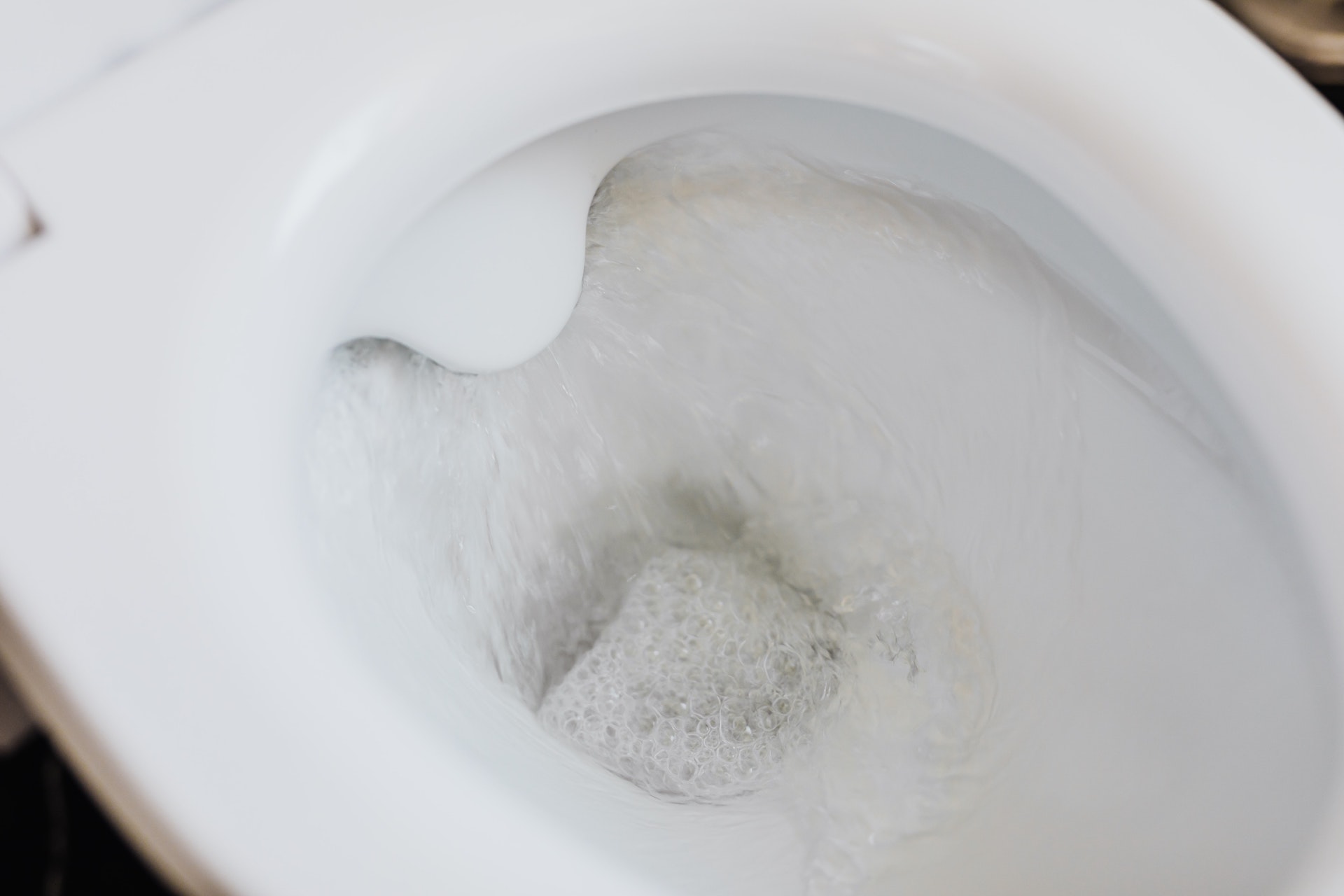
Installing dual-flush toilets is one of the most effective ways to save water in schools. The dual-flush system provides two flush options: a lower volume flush for liquid waste and a higher volume flush for solid waste. This system can save a significant amount of water compared to traditional single-flush toilets, making it an environmentally friendly and cost-effective option for schools.
According to the Environmental Protection Agency (EPA), dual-flush toilets can save up to 68% of water compared to traditional toilets. In a school setting, where multiple toilets are used every day, this can result in substantial water savings. Installing dual-flush toilets can also reduce the load on sewage systems, thereby decreasing the energy required to treat the wastewater. This, in turn, can lead to lower energy costs for the school.
In addition to water and energy savings, installing dual-flush toilets can also have a positive impact on the environment by reducing greenhouse gas emissions. The EPA estimates that if all traditional toilets in the US were replaced with WaterSense-labeled toilets (including dual-flush models), it could save 520 billion gallons of water per year and prevent 6.4 million metric tons of greenhouse gas emissions, equivalent to taking 1.3 million cars off the road.
The installation of dual-flush toilets can also lead to financial benefits for schools. By reducing water usage, schools can save on their water bills. The cost of installing dual-flush toilets can be recouped through water savings in as little as two to three years, according to the EPA. Additionally, some states and utility companies offer incentives or rebates for the installation of water-efficient fixtures, further reducing the cost of the installation.
Schools that have already installed dual-flush toilets have reported positive results. For example, the University of Georgia installed dual-flush toilets in their residence halls and found that the water usage per person per day decreased by 15%. Similarly, a study conducted by the University of Southern Queensland found that the installation of dual-flush toilets in a school reduced water usage by 20%.
Furthermore, dual-flush toilets can also help to teach students about environmental conservation and sustainability. By incorporating dual-flush toilets into school curriculums, schools can raise awareness about the importance of water conservation and the impact of individual actions on the environment.
In conclusion, the installation of dual-flush toilets in schools can have significant environmental and financial benefits. The system can save water, energy, and money, while also reducing greenhouse gas emissions. Schools can also use this opportunity to teach students about the importance of environmental conservation and sustainability. With the availability of incentives and rebates, installing dual-flush toilets can be a cost-effective option for schools to reduce their environmental impact.
Sources:
-
WaterSense. (n.d.). Dual Flush Toilets. https://www.epa.gov/watersense/dual-flush-toilets.
-
Environmental Protection Agency. (n.d.). Dual-Flush Toilets: Environmental and Economic Benefits. https://www.epa.gov/greenhomes/dual-flush-toilets-environmental-and-economic-benefits.
-
United States Green Building Council. (2015). Green Classroom Professional Certificate Reference Guide. https://www.usgbc.org/resources/green-classroom-professional-certificate-reference-guide.
-
Sloan. (2021). Dual-Flush Toilets. https://www.sloan.com/products/flushometers/dual-flush.
-
Energy Star. (n.d.). Water Management. https://www.energystar.gov/buildings/facility-owners-and-managers/existing-buildings/save-energy-water/water-management/dual.
-
Alliance for Water Efficiency. (2019). Dual-Flush Toilets. https://www.allianceforwaterefficiency.org/Dual-Flush_Toilets.aspx.

All 100 ideas in one, easy to share ebook. Download now and start helping your school be its best version of itself...
Downloaded over 17,000 times!
More ways to make a difference, now!

No. 87: Provide charging points for electric cars near the entrances to the school
Number 87 Providing charging points for electric cars near the entrances to schools offers numerous environmental benefits by reducing greenhouse gas emissions and air pollution, while also providing financial benefits through potential revenue streams and cost...

No. 28: Restrict printer and copier usage with passcodes
Number 28 Restricting printer and copier usage with passcodes at your school has several environmental and financial benefits, including reducing paper and ink usage, decreasing energy consumption, and promoting responsible printing behavior. Learn why you should do...

No. 21: Install insulation in buildings to reduce heat loss and heat gain
Number 21 Installing insulation in buildings at schools can lead to significant environmental and financial benefits. By reducing heat loss and heat gain, insulation helps conserve energy, reduce greenhouse gas emissions, and lower energy bills for schools. Learn why...
