
No. 24: Use solar-powered outdoor lighting instead of traditional electric lighting
No. 24: Use solar-powered outdoor lighting instead of traditional electric lighting
Number 24
Learn why you should do this:
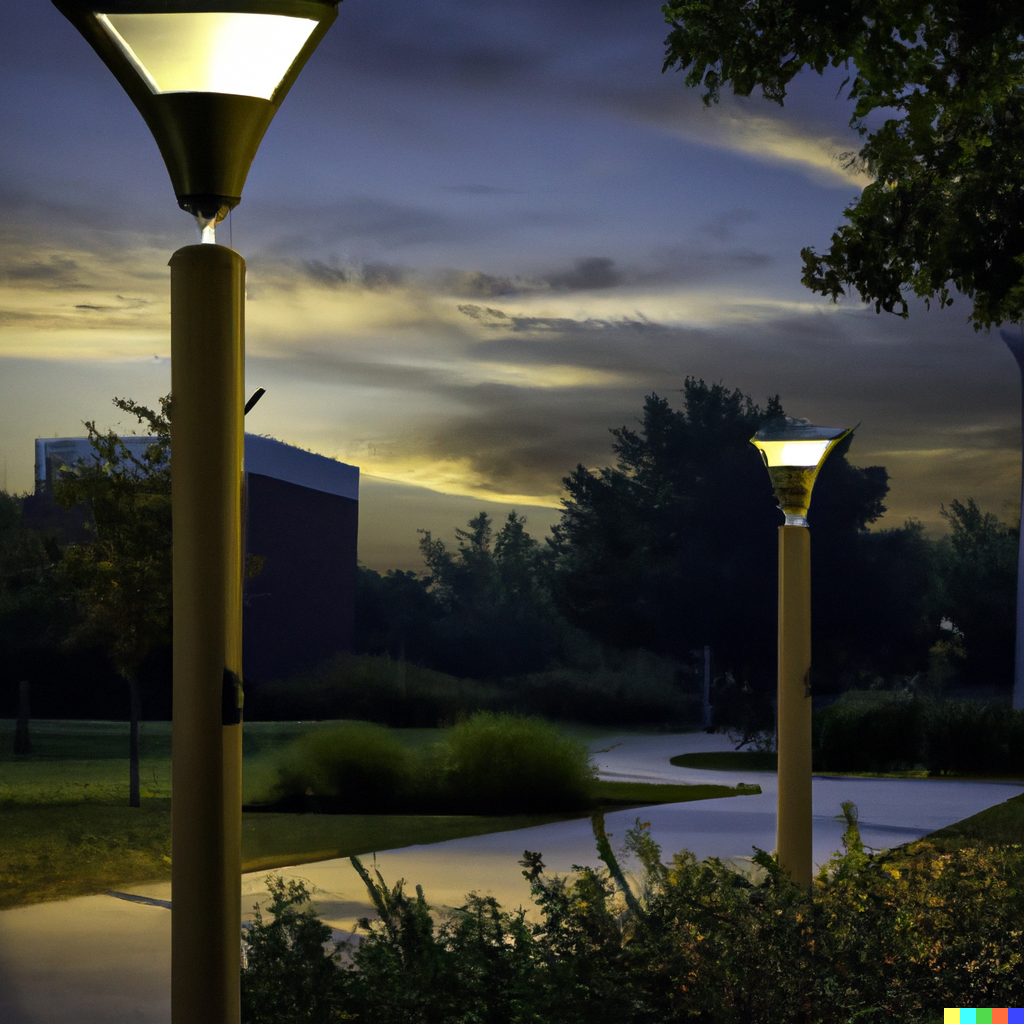
Solar power is becoming increasingly popular as a source of energy in schools, and one application that has gained traction is outdoor lighting. Replacing traditional electric lighting with solar-powered lights can bring numerous benefits, both environmental and financial.
One of the primary environmental benefits is the reduction of carbon emissions. According to the United States Environmental Protection Agency (EPA), electricity generation accounts for approximately 28% of total greenhouse gas emissions in the US. By using solar-powered lights, schools can reduce their reliance on the electric grid, thereby lowering their carbon footprint. Solar lights also do not emit any harmful pollutants or greenhouse gases during operation, making them a cleaner option.
In addition to the environmental benefits, solar-powered lighting can also bring financial benefits to schools. One of the most obvious is the reduction in electricity bills. According to the US Department of Energy, outdoor lighting can account for up to 40% of a facility’s total electricity use. By switching to solar-powered lights, schools can save a significant amount of money on their electricity bills, which can be reinvested in other areas.
Another financial benefit is the lower maintenance costs associated with solar lights. Traditional electric lights require regular maintenance, such as replacing bulbs and repairing wiring. Solar lights, on the other hand, require very little maintenance, as they do not have any moving parts and the LED bulbs can last up to 50,000 hours. This means that schools can save on maintenance costs, as well as the labor required for maintenance.
Moreover, solar-powered outdoor lighting can enhance the safety and security of schools. A well-lit school campus can deter criminal activity, as well as improve visibility for students and staff. With solar-powered lights, schools can ensure that outdoor areas are well-lit without having to worry about power outages or electrical failures.
According to the International Dark-Sky Association (IDA), outdoor lighting can also have negative impacts on wildlife and the environment. Traditional electric lights can disrupt the natural habitat of animals, affect their migration patterns, and even lead to the death of birds and insects. By using solar-powered lights, schools can minimize their impact on the environment and wildlife, while still providing the necessary illumination for safety and security.
In conclusion, solar-powered outdoor lighting can bring a host of benefits to schools, both environmental and financial. By reducing carbon emissions, lowering electricity bills, minimizing maintenance costs, improving safety and security, and minimizing negative impacts on wildlife and the environment, schools can make a positive impact in their community while also saving money. It is a win-win situation that more and more schools are beginning to explore.
Sources:
- United States Environmental Protection Agency (EPA). “Sources of Greenhouse Gas Emissions.” https://www.epa.gov/ghgemissions/sources-greenhouse-gas-emissions
- US Department of Energy. “Outdoor Lighting Basics.” https://www.energy.gov/energysaver/save-electricity-and-fuel/lighting-outdoor-lighting-basics
- Solar Energy Industries Association. “How Long Do Solar Panels Last?” https://www.seia.org/solar-industry-research-data/how-long-do-solar-panels-last
- International Dark-Sky Association (IDA). “Outdoor Lighting Basics.” https://www.darksky.org/lighting/basics/

All 100 ideas in one, easy to share ebook. Download now and start helping your school be its best version of itself...
Downloaded over 17,000 times!
More ways to make a difference, now!

No. 98: Install low-VOC carpets and flooring
Number 99 Carbon-negative flooring materials, such as bamboo and cork, can have environmental and financial benefits for schools. These materials have a low carbon footprint and can help reduce energy consumption and maintenance costs. Additionally, they are durable...

No. 50: Encourage cool clothing in hot weather & reduce AC
Number 50 This article discusses the environmental and financial benefits of encouraging cool clothing in hot weather and reducing AC usage in schools. Experts recommend the use of energy-efficient fans and designing buildings with natural ventilation. As the...

No. 52: Consider switching to geothermal heating systems
Number 52 This article discusses the environmental and financial benefits of switching to geothermal heating systems in schools. Geothermal energy can provide a sustainable and cost-effective heating solution while reducing carbon emissions. It also includes data and...
