
No. 3: Install high efficiency ceiling fans in classrooms and shared spaces
No. 3: Install high efficiency ceiling fans in classrooms and shared spaces
Number 3
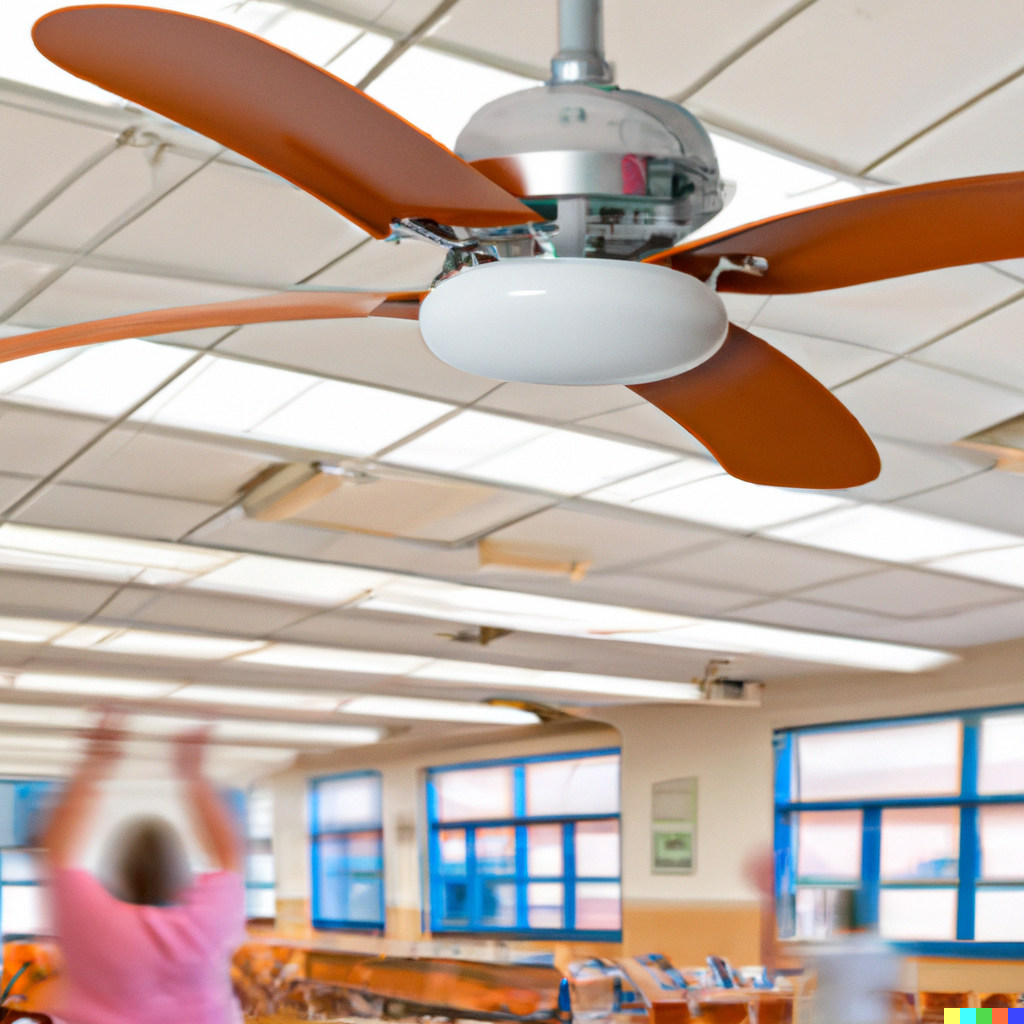
High-efficiency ceiling fans can reduce energy consumption, improve indoor air quality, lower maintenance costs, and offer potential energy efficiency rebates and incentives for schools. These benefits can save money and create a healthier learning environment.
Learn why you should do this:
As the world becomes more focused on sustainability and energy efficiency, schools are looking for ways to reduce their environmental impact and save money. One area that often goes overlooked is the use of high-efficiency ceiling fans in classrooms and shared spaces. By installing these fans, schools can experience both environmental and financial benefits.
Environmental Benefits:
The primary environmental benefit of installing high-efficiency ceiling fans is the reduction in energy consumption. According to Energy Star, high-efficiency ceiling fans can reduce energy usage by up to 60%. This is because they are designed to use less electricity while still providing the same level of comfort as traditional ceiling fans. This reduction in energy usage not only reduces the carbon footprint of the school but can also save a significant amount of money on energy bills.
Another environmental benefit of high-efficiency ceiling fans is their ability to improve indoor air quality. Stagnant air can be a breeding ground for pollutants such as dust, mold, and bacteria. High-efficiency ceiling fans can help to circulate the air, reducing the likelihood of pollutants building up in the air. This can help to create a healthier and more comfortable learning environment for students and teachers.
Financial Benefits:
In addition to the environmental benefits, installing high-efficiency ceiling fans can also provide financial benefits to schools. The primary financial benefit is the reduction in energy costs. According to a report by the Department of Energy, installing high-efficiency ceiling fans can save up to 20% on energy bills. This is because the fans use less electricity, reducing the amount of energy needed to cool or heat a room.
Another financial benefit of high-efficiency ceiling fans is their low maintenance costs. Traditional ceiling fans can require frequent maintenance and repairs, which can be costly for schools to keep up with. High-efficiency ceiling fans, on the other hand, are designed to require minimal maintenance and have a longer lifespan. This can save schools a significant amount of money over time.
Finally, installing high-efficiency ceiling fans can also help schools qualify for energy efficiency rebates and incentives. Many states and local utilities offer programs to incentivize energy-efficient upgrades, including high-efficiency ceiling fans. These programs can help schools offset the initial cost of installation, making the upgrade more affordable.
In conclusion, installing high-efficiency ceiling fans in classrooms and shared spaces can provide significant environmental and financial benefits to schools. By reducing energy consumption and improving indoor air quality, schools can save money on energy bills and create a healthier learning environment for students and teachers. Additionally, the low maintenance costs and potential for energy efficiency rebates make high-efficiency ceiling fans an attractive option for schools looking to reduce their environmental impact and save money.
Sources:
-
Energy Star. “Ceiling Fans.” https://www.energystar.gov/products/heating_cooling/ceiling_fans
-
Department of Energy. “The Benefits of High-Efficiency Ceiling Fans.” https://www.energy.gov/energysaver/home-cooling-systems/ceiling-fans
-
Green Building Alliance. “Indoor Air Quality in Schools.” https://www.go-gba.org/resources/indoor-air-quality-in-schools/
-
U.S. Department of Energy. “State and Local Energy Efficiency Programs.” https://www.energy.gov/eere/slsc/state-and-local-energy-efficiency-programs
More ways to make a difference, now!

No. 41: Install water-efficient dishwashers and washing machines in school kitchens & laundries
Number 41 Installing water-efficient dishwashers and washing machines in school kitchens and laundries can significantly reduce water usage and save costs on utility bills. This also helps to minimize the environmental impact of the school's operations. Learn why you...

No. 43: Use mulch in landscaping to retain moisture and reduce water usage
Number 43 Mulching is an eco-friendly and cost-effective way of reducing water usage and retaining moisture in the soil in landscaping at schools. It promotes healthy plant growth and reduces water runoff, ultimately saving water and money. Learn why you should do...

No. 44: Use water-efficient cleaning methods, such as microfiber mops and cloths
Number 44Using water-efficient cleaning methods such as microfiber mops and cloths in schools can have both environmental and financial benefits. These methods can significantly reduce water usage and costs, as well as improve indoor air quality by reducing the use of...

All 100 ideas in one, easy to share ebook. Download now and start helping your school be its best version of itself...
Downloaded over 17,000 times!
