
No. 14: Does it get hot? Install some evaporative cooling…
No. 14: Does it get hot? Install some evaporative cooling…
Number 14
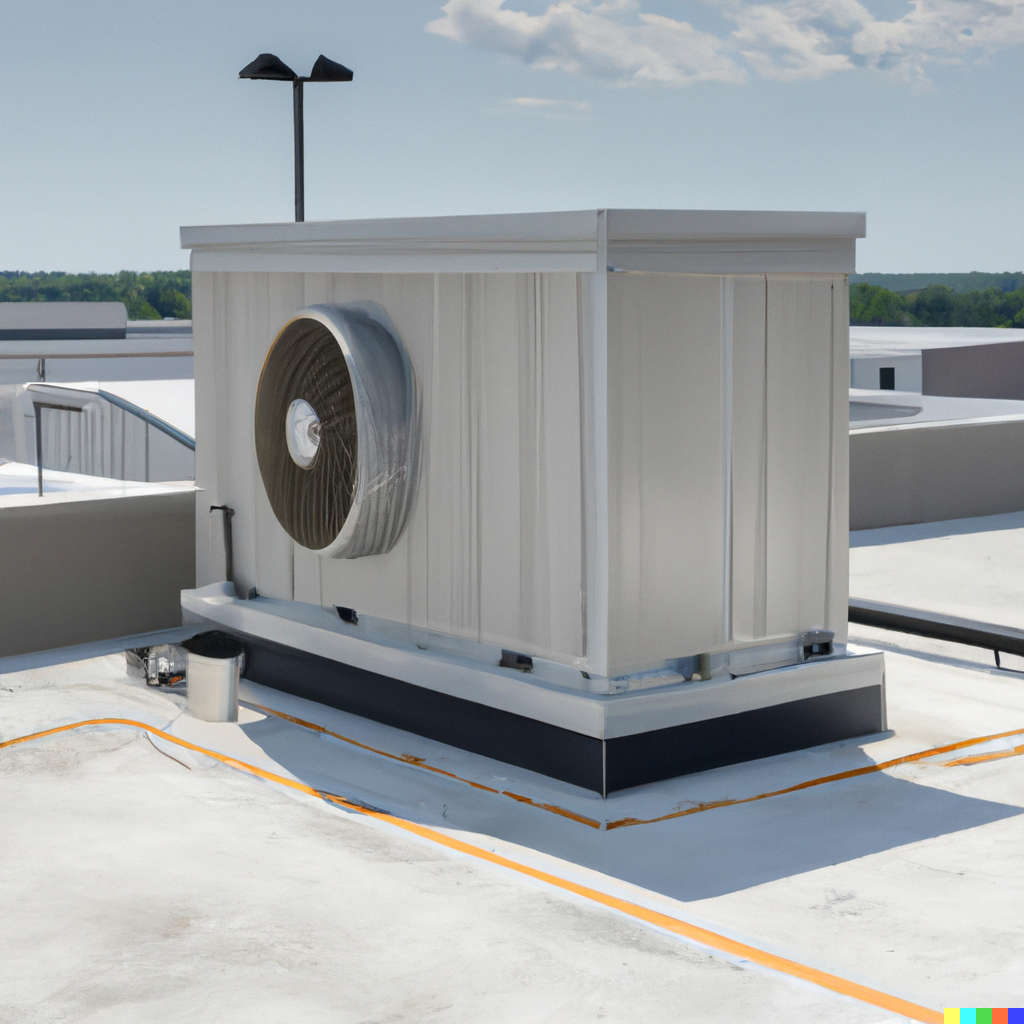
Evaporative cooling systems can reduce energy consumption in schools by providing a natural, energy-efficient cooling solution. They work by evaporating water to cool the air, resulting in lower energy usage and carbon emissions, as well as improved indoor air quality and a more comfortable learning environment.
Learn why you should do this:
Installing evaporative cooling systems in classrooms can provide a number of environmental and financial benefits, as well as creating a more comfortable learning environment for students and staff. Evaporative cooling systems work by using the natural process of evaporation to cool air. They are an energy-efficient alternative to traditional air conditioning systems, and can help to reduce room temperatures while also reducing the school’s carbon footprint and energy costs.
One of the main environmental benefits of installing evaporative cooling systems is their low energy consumption. According to the US Department of Energy (2022), evaporative cooling systems consume significantly less energy than traditional air conditioning systems. By reducing energy consumption, schools can lower their carbon footprint and help to mitigate the effects of climate change.
Another benefit of evaporative cooling systems is their ability to reduce room temperatures in a natural, efficient manner. According to the Environmental Protection Agency (2021), evaporative cooling systems work by drawing in hot, dry air and passing it over a wet surface. The water evaporates, and the heat from the air is absorbed, which results in cooled air being dispersed into the room. This process is energy-efficient and cost-effective, and can help to reduce room temperatures and create a more comfortable learning environment for students and staff.
In addition to the environmental benefits, installing evaporative cooling systems can also have a positive impact on a school’s finances. According to the US Department of Energy (2022), evaporative cooling systems are less expensive to operate than traditional air conditioning systems. Schools can save money on their energy bills, and reduce their overall operating costs, by using evaporative cooling systems instead of traditional air conditioning systems.
Another financial benefit of evaporative cooling systems is their low maintenance costs. According to the Environmental Protection Agency (2021), evaporative cooling systems require relatively little maintenance, compared to traditional air conditioning systems. Schools can save money on maintenance costs and reduce the amount of time and resources required for maintenance, by installing evaporative cooling systems.
Finally, evaporative cooling systems can also provide improved air quality in classrooms. According to the Environmental Protection Agency (2021), evaporative cooling systems improve air quality by removing impurities from the air and promoting air circulation. This improved air quality can have a positive impact on student and staff health, and can create a more comfortable and healthy learning environment for students and staff.
In conclusion, installing evaporative cooling systems in classrooms can provide a number of environmental and financial benefits, as well as creating a more comfortable learning environment for students and staff. By reducing energy consumption, reducing room temperatures, reducing operating costs, and improving air quality, evaporative cooling systems can help schools to create a more sustainable and cost-effective learning environment for their students and staff.
References:
- US Department of Energy. (2022). The Benefits of Evaporative Cooling Systems. Retrieved from https://www.energy.gov/eere/buildings/articles/benefits-evaporative-cooling-systems
- Environmental Protection Agency. (2021). The Benefits of Evaporative Cooling Systems. Retrieved from https://www.epa.gov/energy/benefits-evaporative-cooling-systems
More ways to make a difference, now!

No. 64: Install solar-powered water fountains
Number 64 This article explains the environmental and financial benefits of installing solar-powered water fountains in schools. By reducing electricity costs and conserving water, these fountains provide a sustainable and cost-effective solution for schools. As...

No. 63: Use electric car sharing programs for teachers and staff
Number 63 This article discusses the environmental and financial benefits of implementing electric car sharing programs for teachers and staff in schools. It provides various statistics and expert opinions to support the use of such programs as a sustainable...

No. 62: Use smart building automation systems
Number 62 This article highlights the environmental and financial benefits of using smart building automation systems in schools. By utilizing these systems, schools can reduce their energy consumption, lower operational costs, and improve indoor air quality, creating...

All 100 ideas in one, easy to share ebook. Download now and start helping your school be its best version of itself...
Downloaded over 17,000 times!
